


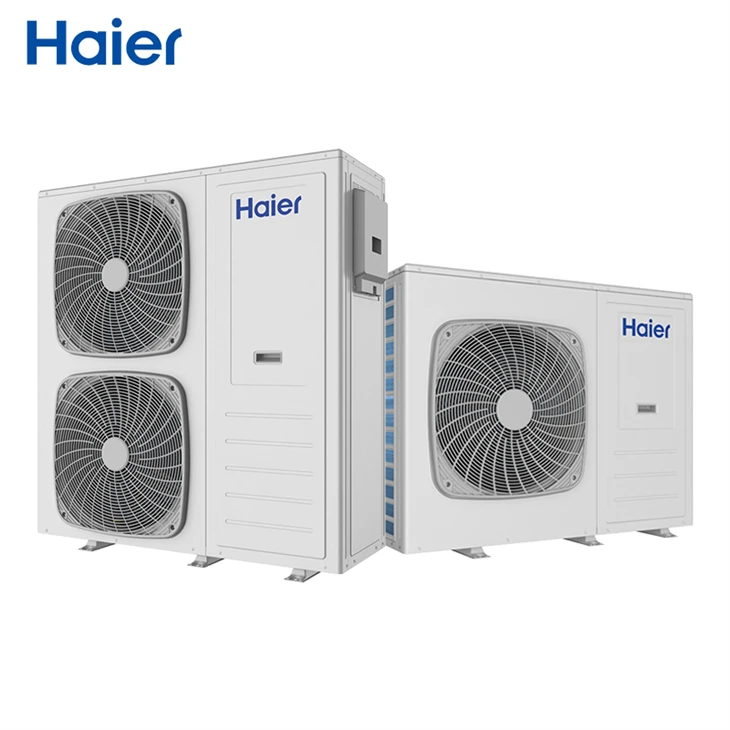
Haier : Your Trustworthy Heat Pump Hot Water Systems Supplier!
Our company, founded in 1984, is the world's leading home appliance manufacturer and has long been among the world's top 500 companies. Over the past 40 years, Haier has attached great importance to product quality, produced the best home appliances, continuously met consumer needs, and provided consumers with high-quality products and services.
Rich Products
We can produce air source heat pump heating equipment, high-efficiency heat pump heating machines, 8kw air source heat pumps, 10kw air source heat pumps, low noise heat pumps, smart heat pumps, etc.
Products Widely Used
The products we produce are suitable for users who renovate or build new apartments and villas for heat conversion as well as whole-room heating and cooling. Can be installed on balconies, roofs, outdoor platforms, computer rooms, etc.
Customizable
Our products can be OEM customized and we also provide comprehensive solutions including process flow support, automation technology, service and training. And we also provide free warranty service.
Quality Assurance
The products produced by our company have passed ISO9000 and CE quality standards. And we have also passed certificates such as Fortune Global 500 and ESG International Awards.

A Comfort Heat Pump is a type of HVAC (Heating, Ventilation, and Air Conditioning) system designed for residential and light commercial applications. It serves multiple functions, providing both heating and cooling capabilities. The term "Comfort" in its name suggests that it is engineered to deliver comfortable and consistent indoor temperatures while also focusing on energy efficiency and user convenience.

Air Energy Heat Pump Hot Water
Air energy heat pumps, also known as air-source heat pumps (ASHP), are a type of system that uses the natural heat in the air outside to provide hot water for domestic and commercial uses. These heat pumps work by absorbing heat from the outside air into a fluid within the system. This fluid then circulates through the system, transferring the heat to the refrigerant inside the evaporator coil.

Heat Pump For Heating And Hot Water
A heat pump for heating and hot water operates by extracting low-grade heat from the environment, either from the air, ground, or water (geothermal heat pump). This captured heat is then concentrated and transferred to provide space heating and domestic hot water (DHW).

An air to hot water heat pump is a system that converts ambient heat from the air into usable hot water for residential or commercial purposes. It operates on the principle of the refrigeration cycle, using a refrigerant that alternately evaporates and condenses.

An intelligent control heat pump is a system that integrates advanced electronic controls and software algorithms to optimize its performance and efficiency. These controls allow the heat pump to adapt to changing environmental conditions and user requirements, ensuring that it provides the desired heating or cooling output while minimizing energy consumption.

Green energy heat pumps, also known as eco-friendly or sustainable heat pumps, refer to systems that utilize renewable sources of heat to provide space conditioning and hot water. These heat pumps are part of the effort to reduce reliance on fossil fuels and decrease greenhouse gas emissions associated with traditional heating and cooling methods.

An air-cooled heat pump is a type of refrigeration system designed to simultaneously cool a space and heat another space or store hot water. Unlike water-cooled heat pumps, air-cooled heat pumps use air as the medium for rejecting excess heat from the refrigeration cycle.

Residential EVI Variable Frequency Heat Pump
A residential EVI (Electronically Commutated Motor Variable Frequency Drive) variable frequency heat pump combines two key technologies to enhance its efficiency and performance. The first is an electronically commutated motor (ECM), which is a type of electric motor that combines the attributes of AC (alternating current) and DC (direct current) motors. ECMs are known for their high efficiency, variable speed operation, and ability to save energy by precisely matching the load requirement.
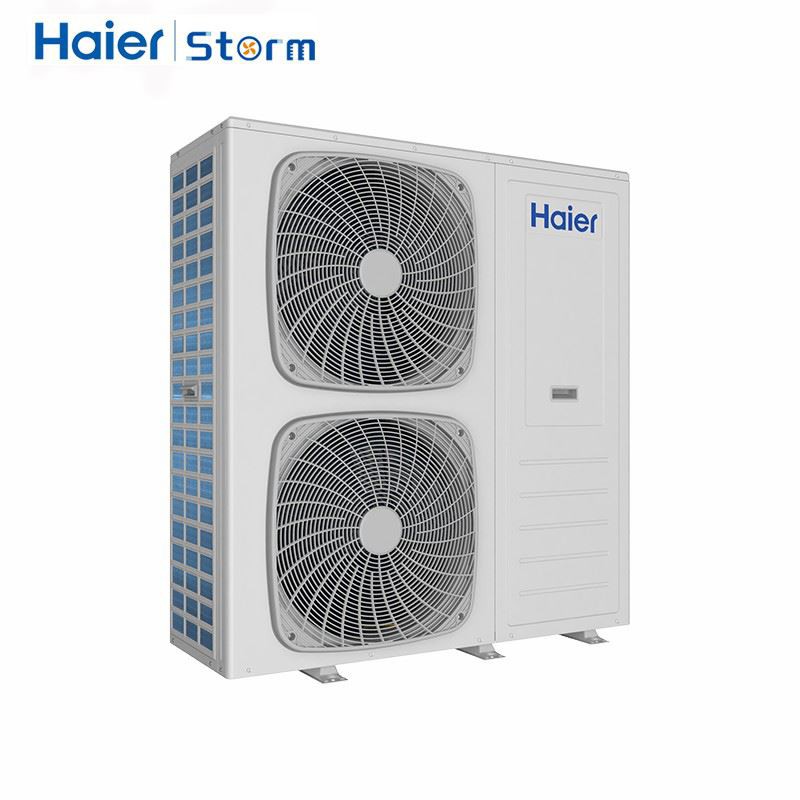
Heat Pump Heating And Cooling System
A heat pump heating and cooling system is a versatile appliance that provides both heating and air conditioning capabilities for residential or commercial spaces. It operates on the principle of thermodynamics, specifically the refrigeration cycle, to transfer heat energy between the indoors and outdoors.
Heat pump hot water systems utilize the refrigeration cycle to efficiently extract low-grade heat from the surrounding environment-be it ambient air, ground, or water-and transfer it to a storage tank to produce hot water. These systems operate similarly to air conditioners in reverse, moving heat rather than cooling a space.
High Energy Efficiency
Heat Pump Hot Water Systems have a high coefficient of performance (COP), typically 3 to 5, which means they can produce up to 5 units of heat energy for every unit of electrical energy consumed. This makes them very efficient compared to traditional electric water heaters.
Renewable Energy
Depending on the model, Heat Pump Hot Water Systems can harness renewable energy from the air, ground or water, reducing reliance on fossil fuels and reducing the carbon emissions associated with hot water production.
Low Maintenance Requirements
Heat Pump Hot Water Systems generally require less maintenance than traditional gas or electric water heaters. The absence of combustion parts reduces wear and potential maintenance issues.
Silent Operation
Heat Pump Hot Water Systems are typically quieter than other types of water heaters because they don't have the noise of an internal combustion engine.
Parts of Heat Pump Hot Water Systems
Evaporator Coil
The component absorbs heat from the surrounding environment (air, ground, or water). As liquid refrigerant passes through the coil, it evaporates and absorbs heat from the surrounding environment.
Compressor
The compressor increases the pressure of the vaporized refrigerant, thereby increasing its temperature. This hot refrigerant gas is then used to heat the water in the storage tank.
Condenser Coil
Within this coil, high-pressure, high-temperature refrigerant gas releases heat and condenses into a liquid as it cools. This released heat warms the water in the storage tank.
Refrigerant Line
Refrigerant lines connect the various components of a heat pump system, carrying refrigerant between the evaporator, compressor, and condenser.
Controls and Thermostats
The control panel regulates the operation of the heat pump, ensuring that it only runs when necessary. The thermostat monitors the temperature of the water in the storage tank and signals the system to start or stop heating as needed.
Water Tank
This insulated box holds the hot water produced by the heat pump. It is usually well insulated to minimize heat loss.
Heat Exchanger
A critical component that transfers heat from the refrigerant to the water in the tank without allowing the two fluids to mix.
Fan
These fans draw ambient air over the evaporator coil to absorb heat from the environment.
Pipes and Duct Systems
Depending on the type of heat pump, additional pipes or ductwork may be needed to direct air or fluid to the evaporator and condenser.
How to Choose Heat Pump Hot Water Systems


Dimensions and Capacities
Make sure the system can meet your home's hot water needs. Consider the number of occupants, usage patterns and peak hot water demand.
Efficiency
Look for systems with high energy efficiency ratings, such as Energy Star-certified models. This helps reduce energy consumption and save money on utility bills.
Climate Suitability
Consider your local climate when choosing a heat pump system. Some models are better suited for colder climates, while others perform better in warmer areas.
Installation Space
Check available installation space. Heat pump water heaters require adequate space for proper ventilation.
Noise Level
Some heat pump systems produce noise during operation. If this is a problem, look for a model that runs quieter.
Brand and Warranty
Choose a reputable brand with good customer reviews and solid warranty coverage. This ensures better performance and long-term support.
Installation and Maintenance Costs
Consider upfront installation costs and ongoing maintenance requirements. Some systems may require professional installation and regular maintenance.
Integrate With Existing Infrastructure
Make sure the heat pump water heater is compatible with your existing plumbing and electrical setup.
Additional Features
Some models have extra features such as programmable settings, vacation mode and smartphone connectivity. Consider whether these features are important to you.
Consult
If you're unsure, consider seeking advice from a qualified HVAC professional who can recommend the best heat pump hot water system for your specific needs and budget.
Place
Choose a suitable location for your heat pump unit. It should have enough space for proper ventilation and maintenance. Consider factors such as noise levels and nearby obstructions.
Prepare the Venue
Clear the installation area to ensure it is level and stable. The site should also have access to plumbing and electrical panels.
Connect Water Pipe
Install the supply line and connect it to the heat pump unit according to the manufacturer's instructions. Make sure the connections are tight to prevent leaks.
Electrical Connections
Properly connect the heat pump system to the electrical panel according to the manufacturer's guidelines. If you have no electrical work experience, it is best to hire a licensed electrician.
Install Ductwork
If your heat pump system requires ductwork for ventilation, install it according to the manufacturer's specifications.
Ventilation
Make sure your heat pump unit is properly ventilated according to the manufacturer's recommendations. This is essential for efficient operation and preventing overheating.
Fixed Equipment
Mount the heat pump securely on its mounting bracket or platform to prevent vibration and movement.
Start Up
Once the device is installed, follow the manufacturer's startup procedure instructions. This may include filling the tank, checking for leaks and adjusting settings.
Insulation
To increase efficiency, consider insulating water pipes and tanks.
Test
Test the system to ensure it is functioning properly. Check for leaks, monitor temperature settings, and confirm hot water production is efficient.
Maintain
Become familiar with the maintenance requirements of your heat pump system, such as regular filter cleaning, and schedule any necessary ongoing maintenance.
How to Maintain Heat Pump Hot Water Systems
Periodic Inspection
Check the system monthly to ensure all components are functioning properly. Look for any signs of wear, damage, or unusual noises that might indicate a problem.
Filter Cleaning
If your heat pump has a replaceable air filter, clean or replace it regularly according to the manufacturer's recommendations. This helps maintain airflow and prevents dust from entering the system.
Outdoor Unit Maintenance
Keep the outdoor unit clear of debris, leaves and branches. Make sure there is adequate airflow around the device to prevent overheating. Use a soft brush and mild detergent to remove any accumulated dirt or grime from the coils.
Indoor Unit Maintenance
For indoor units, check that the heat exchanger and any fans are free of dust and other contaminants. Clean or replace room air filters as needed.
Refrigerant Level
Have a professional check the refrigerant level regularly to ensure there are no leaks and that the proper amount of refrigerant is present for efficient operation.
Thermocouples and Sensors
Test thermocouples and other temperature sensors to make sure they provide accurate readings. These sensors are critical to the system's control mechanism.
Control System Updates
If possible, make sure the control system firmware is updated, as manufacturers may release software updates to improve system performance and functionality.
Professional Service
Every one or two years, have the heat pump fully serviced by a qualified technician based on the manufacturer's guidelines and system usage. This may include a complete system diagnostic, checking electrical connections, and ensuring all components are within factory specifications.
Insulation
Monitor the insulation of hot water tanks and pipes. Make sure it is intact as poor insulation can cause unnecessary heat loss.
Applications of Heat Pump Hot Water Systems
Residential
Widely used in domestic hot water supply to provide hot water for showers, bathtubs, sinks, dishwashers, washing machines, etc.
Commercial Building
Restaurants, hotels, hospitals and office buildings often utilize heat pumps to meet their large-scale hot water needs.
Swimming Pool Heating
Heat pumps can be used to heat the water in your swimming pool, making it more comfortable to use year-round.
Greenhouse
In agricultural applications, heat pumps can be used to regulate the temperature of greenhouses, thereby creating a controlled environment for plant growth.
Industrial Process
Heat pump hot water systems can be integrated into a variety of industrial processes that require heat, such as food processing, textile manufacturing, and chemical reactions.
District Heating
In some urban areas, heat pumps are part of a district heating network that supplies hot water to multiple buildings from a central water source.
Solar DHW (Domestic Hot Water) system
Heat pumps can supplement solar hot water systems to provide backup heat when sunlight is insufficient to ensure a continuous supply of hot water.
Geothermal Applications
In areas with suitable geothermal resources, heat pumps can use the heat from the earth's interior to provide hot water, which is particularly efficient and sustainable.
Remote Areas
Heat pump systems are ideal for remote cabins, off-grid homes, and other remote areas where traditional hot water heating infrastructure is unavailable or impractical.
Certificate

Frequently Asked Questions
Q: How does a heat pump hot water system work?
Q: What are the main types of heat pump systems for water heating?
Q: Are heat pump water heaters more energy-efficient than conventional electric water heaters?
Q: Where should a heat pump hot water system be installed?
Q: Can heat pump hot water systems provide enough hot water for large families or commercial establishments?
Q: How long does it take for a heat pump hot water system to heat water?
Q: Do heat pump hot water systems require regular maintenance?
Q: Are there any environmental benefits to using heat pump hot water systems?
Q: What are the upfront costs associated with installing a heat pump hot water system?
Q: How long do heat pump hot water systems typically last?
Q: Can heat pump hot water systems be used in cold climates?
Q: Are there any incentives or rebates available for installing heat pump hot water systems?
Q: How much hot water can a heat pump hot water system provide per day?
Q: Is it possible to install a heat pump hot water system alongside an existing one?
Q: Does a heat pump hot water system make a lot of noise?
Q: Can heat pump hot water systems be connected to a solar power system?
Q: Are heat pump hot water systems affected by power outages?
Q: How does a heat pump hot water system compare to a solar thermal hot water system?
Q: What factors should be considered when selecting a heat pump hot water system?
Q: Can a heat pump hot water system replace a gas water heater?
Hot Tags: haier air source heat pump, China haier air source heat pump manufacturers, suppliers, factory, Green Energy Heat Pumps, Low Noise Heat Pump, High Heat Heat Pump, Heat Pump Hot Water Systems, 12kw Air Source Heat Pump, Air Energy Water Heat Pump