


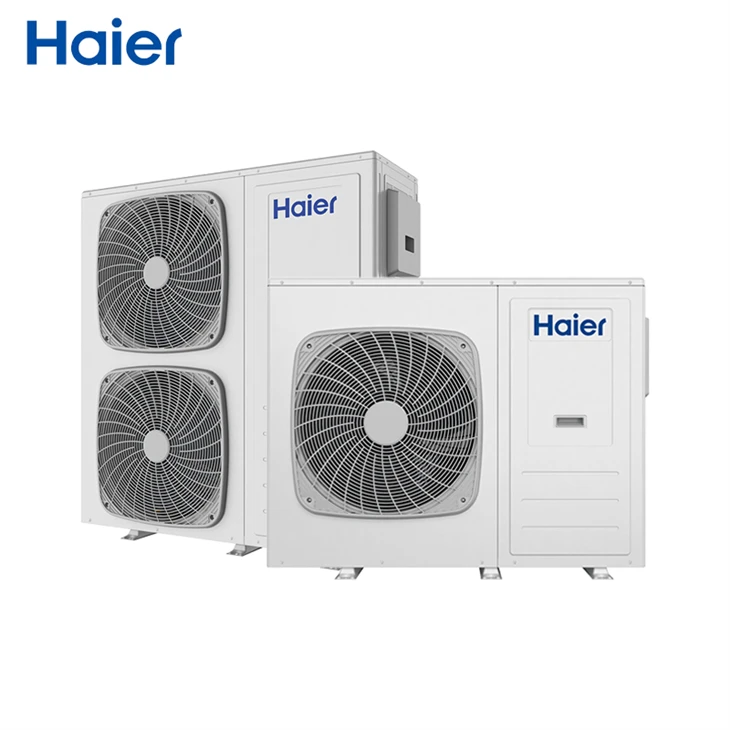
Haier : Your Trustworthy Low Temperature Heating Heat Pump Supplier!
Our company, founded in 1984, is the world's leading home appliance manufacturer and has long been among the world's top 500 companies. Over the past 40 years, Haier has attached great importance to product quality, produced the best home appliances, continuously met consumer needs, and provided consumers with high-quality products and services.
Rich Products
We can produce air source heat pump heating equipment, high-efficiency heat pump heating machines, 8kw air source heat pumps, 10kw air source heat pumps, low noise heat pumps, smart heat pumps, etc.
Products Widely Used
The products we produce are suitable for users who renovate, or build new apartments and villas for heat conversion as well as whole-room heating and cooling. Can be installed on balconies, roofs, outdoor platforms, computer rooms, etc.
Customizable
Our products can be OEM customized and we also provide comprehensive solutions including process flow support, automation technology, service and training. And we also provide free warranty service.
Quality Assurance
The products produced by our company have passed ISO9000 and CE quality standards. And we have also passed certificates such as Fortune Global 500 and ESG International Awards.

Quietest Air Source Heat Pump is a device that transfers thermal energy from the outside air to the interior of a building, warming it up in the winter and cooling it down in the summer, without burning fuel. This is achieved through the use of a refrigerant fluid that circulates within the heat pump.

A Comfort Heat Pump is a type of HVAC (Heating, Ventilation, and Air Conditioning) system designed for residential and light commercial applications. It serves multiple functions, providing both heating and cooling capabilities. The term "Comfort" in its name suggests that it is engineered to deliver comfortable and consistent indoor temperatures while also focusing on energy efficiency and user convenience.

Air Energy Heat Pump Hot Water
Air energy heat pumps, also known as air-source heat pumps (ASHP), are a type of system that uses the natural heat in the air outside to provide hot water for domestic and commercial uses. These heat pumps work by absorbing heat from the outside air into a fluid within the system. This fluid then circulates through the system, transferring the heat to the refrigerant inside the evaporator coil.

Heat Pump For Heating And Hot Water
A heat pump for heating and hot water operates by extracting low-grade heat from the environment, either from the air, ground, or water (geothermal heat pump). This captured heat is then concentrated and transferred to provide space heating and domestic hot water (DHW).

An air to hot water heat pump is a system that converts ambient heat from the air into usable hot water for residential or commercial purposes. It operates on the principle of the refrigeration cycle, using a refrigerant that alternately evaporates and condenses.

An intelligent control heat pump is a system that integrates advanced electronic controls and software algorithms to optimize its performance and efficiency. These controls allow the heat pump to adapt to changing environmental conditions and user requirements, ensuring that it provides the desired heating or cooling output while minimizing energy consumption.

An air-cooled heat pump is a type of refrigeration system designed to simultaneously cool a space and heat another space or store hot water. Unlike water-cooled heat pumps, air-cooled heat pumps use air as the medium for rejecting excess heat from the refrigeration cycle.
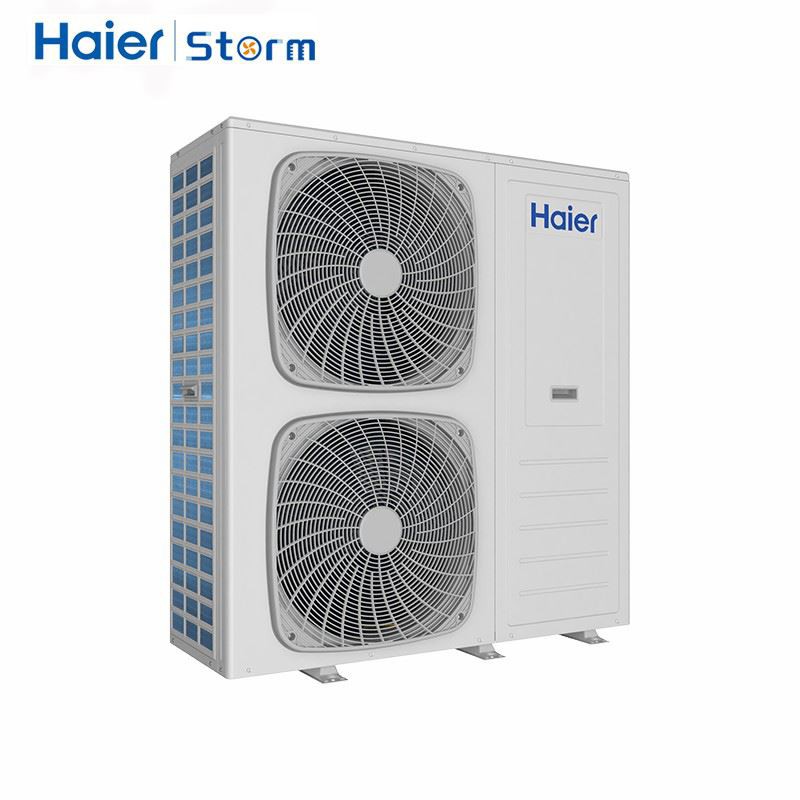
Heat Pump Heating And Cooling System
A heat pump heating and cooling system is a versatile appliance that provides both heating and air conditioning capabilities for residential or commercial spaces. It operates on the principle of thermodynamics, specifically the refrigeration cycle, to transfer heat energy between the indoors and outdoors.

A winter heating heat pump is a device designed to provide warmth and maintain comfortable indoor temperatures during the colder months of the year. It operates using the refrigeration cycle to move heat from a cold space to a warmer one, leveraging the natural thermal gradient between outdoor and indoor environments.
A low-temperature heating heat pump is an advanced system designed to efficiently provide warmth even when the outdoor temperature drops significantly below freezing. Unlike traditional heating systems that rely on high-grade heat sources such as natural gas or electricity, low-temperature heat pumps extract heat from the environment, including air, ground, or water sources, even when these sources are cold.
Energy Efficiency
One of the major advantages of low-temperature heat pump technology is its high energy efficiency. These systems are designed to operate optimally even at lower temperatures, making them more efficient than traditional heating systems. They extract and utilize heat from the environment to warm your home, thus using less energy while still providing a comfortable indoor climate. For instance, when comparing the energy use of a low-temperature heat pump to a conventional heating system, it becomes clear how much energy can be saved.
Environmental Impact
Low-temperature heat pumps are not only good for your wallet, but they're also good for the environment. By using less energy, they reduce greenhouse gas emissions, making them a more eco-friendly option. Moreover, they do not burn fossil fuels or release harmful emissions into the atmosphere, contributing to cleaner air and a healthier environment.
Cost Savings
While the initial cost of a low-temperature heat pump can be higher than other heating options, the savings realized from reduced energy usage can make up for it over time.
Enhanced Refrigerant Flow
By ensuring consistent flow of refrigerant even in subzero conditions, these heat pumps can continue to absorb latent heat from frozen sources such as snow or ice.
Parts of Low Temperature Heating Heat Pump
Evaporator
The evaporator absorbs heat from outdoor air, the ground, or a water source. It contains a refrigerant that evaporates when it absorbs heat energy from a low-temperature source.
Compressor
The compressor increases the pressure of the evaporating refrigerant, raising its temperature. This process is essential for transferring heat from the cold source to the warmer interior of the building.
Condenser
The high-pressure, high-temperature vapor releases heat as it passes through the condenser. This heat is then passed through heating systems such as radiators, underfloor heating or heat distribution units to heat the interior of the building.
Refrigerant Line
Insulated pipes that carry refrigerant between the evaporator, compressor, and condenser. Proper insulation is critical to minimizing heat loss in these areas.
Control System
An electronic controller monitors and regulates the operation of the heat pump based on temperature input from the sensor. It ensures that the system responds appropriately to changes in outdoor temperature and desired indoor climate.
Blower
The blower is located inside the heating unit and distributes the warm air produced by the heat pump throughout the building.
Heat Exchanger
Heat exchangers are used to transfer heat between the refrigerant and the building's heating system, and between the refrigerant and an external cold source in the case of a geothermal or water-source heat pump.
Defrost Cycle Components
Defrost Cycle Assembly includes a defrost cycle to prevent ice from forming on the evaporator coil when operating in very cold weather. This may involve a heating element, a reversing valve and a thermostat to initiate the defrost process.
Working Process of Low Temperature Heating Heat Pump
Absorb
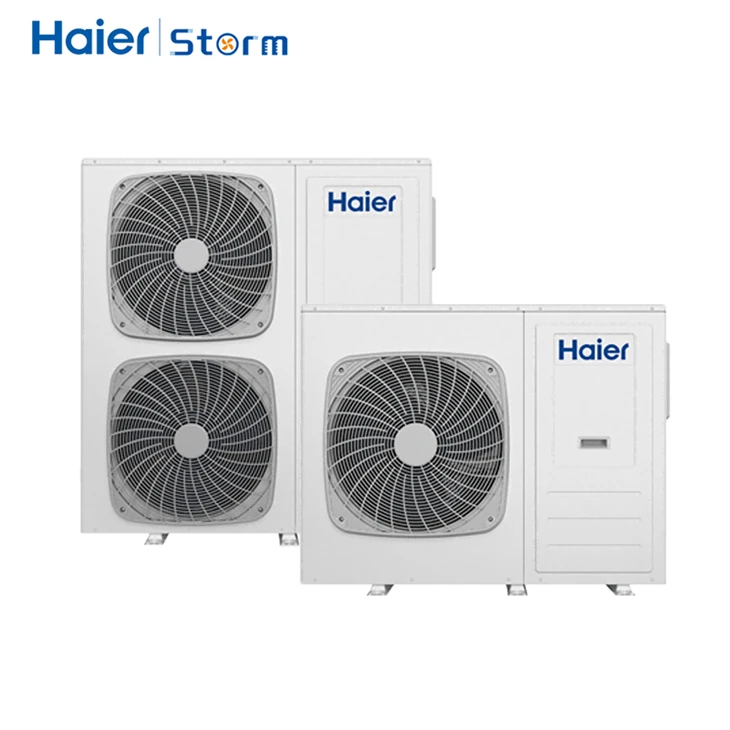
Even in extremely cold conditions, a heat pump's outdoor unit absorbs heat from the outside air. This is accomplished by refrigerant, which circulates in the outdoor unit and absorbs heat.

Compression
The absorbed heat is then transferred to the compressor where it is compressed to a higher temperature.

Heat Release
The high-temperature heat is then transferred to the indoor unit, where it is released for heating.

Refrigeration
After releasing the heat, the refrigerant cools down and returns to the outdoor unit, where the process repeats.
How to Choose Low Temperature Heating Heat Pump
Climate and Weather Conditions
Low-temperature heat pumps are designed to operate efficiently in cold climates, making them ideal for areas that experience long, harsh winters. However, they are also effective in mild climates. It's worth noting that while these systems can provide heat even in extremely cold temperatures, the system's efficiency may decrease as outdoor temperatures drop.
House Size and Insulation
The size of your home and its level of insulation are other key considerations when choosing a heat pump. Larger homes may require more powerful systems to effectively heat and cool the space. Likewise, a poorly insulated home may require a more powerful heat pump to compensate for heat loss. However, a well-insulated home can significantly increase the efficiency of a low-temperature heat pump, reducing the need for a larger and potentially more expensive system. It is recommended to conduct a home energy audit before choosing a heat pump to determine the level of insulation in your home.
Heating and Cooling Needs
Your specific heating and cooling needs should also be considered when choosing a low-temperature heating heat pump. Not only should the system be able to maintain a comfortable temperature in your home year-round, but it should also meet any specific requirements you may have, such as the need for hot water. Low-temperature heat pumps are generally capable of meeting most heating and cooling needs. However, for homes with larger populations or larger hot water needs, a larger capacity system may be required. Understanding your needs will ensure you choose a system that provides the best performance and efficiency.
System Selection
Select the appropriate heat pump model based on the building's heating and cooling loads, required climate control, and the lowest expected ambient temperature.
Design and Planning
Develop a detailed installation plan, including the layout of all components, electrical wiring and any modifications required to the existing heating system.
Equipment Preparation
Unpack the heat pump unit and inspect it for any shipping damage. Prepare equipment for installation according to manufacturer's guidelines.
Installation of Outdoor Unit
Place the heat pump outdoor unit on a sturdy, flat platform or slab that can support the weight of the unit. Ensure that the area around the equipment is well ventilated and protected from environmental factors.
Indoor Unit Installation
Install a heat pump air handler or heat distribution unit within the building. If applicable, connect it to a ductwork or radiant heating system.
Refrigerant Line
Lay insulated refrigerant pipes between the outdoor unit and indoor unit. These lines should be properly sized and secured to avoid sagging, which can lead to damage.
Electrical Wiring
Install the necessary conduit and wire the heat pump according to the manufacturer's instructions and local electrical codes. For safety, include a circuit breaker.
Heat Exchangers and Pipes
Install the loop system underground or in a body of water and lay insulated pipes to connect it to the heat pump unit.
Control and Integration
Install and program the thermostat and any other controls for the heat pump system. If required, it can be integrated with existing heating systems.
Testing and Debugging
After all connections are made, check the refrigerant lines for leaks, test the circuits, and functionally test the heat pump to ensure it is operating properly.

Insufficient Heating or Cooling
If the heat pump isn't providing enough heat or cool air, check your thermostat settings and make sure the filter is clean. If the problem persists, it may be due to a refrigerant leak or a problem with the compressor.
Operating Noise
If your heat pump is making unusual noises, it could be due to loose parts, motor problems, or a refrigerant leak.
Heat Pump Cannot Start
Check power and thermostat settings. If these are not the problem, there may be a problem with the motor or compressor.
Regular Visual Inspection
Regularly inspect your heat pump system for any signs of wear, damage, or debris buildup around the outdoor unit and indoor components.
Air Filter Replacement
Replace the air filter in the indoor unit every 1-3 months, depending on the manufacturer's recommendations and usage. Dirty filters reduce airflow and efficiency.
Outdoor Unit Maintenance
Keep the area around the outdoor unit clear of clutter, leaves and branches to prevent clogs and animal nesting. Make sure the fan and fins are clean and not damaged. Use a soft brush or vacuum cleaner to remove dirt and debris.
Refrigerant Charge Verification
Have a qualified technician check the refrigerant charge regularly to make sure there are no leaks and the correct amount of refrigerant is present.
Electrical Component Inspection
Check electrical connections and components for corrosion, looseness or damage. Make sure all connections are tight and in good condition.
Drainage System Maintenance
Clean the condensate pan and drain pipe to prevent blockage and ensure proper drainage.
Thermostat Calibration
Make sure your thermostat is properly calibrated to effectively respond to temperature changes within your building.
Certificate

Frequently Asked Questions
Q: What is a low-temperature heating heat pump?
Q: How does a low-temperature heating heat pump work?
Q: What are the benefits of using a low-temperature heating heat pump?
Q: How efficient is a low-temperature heating heat pump compared to traditional heating systems?
Q: Can a low-temperature heating heat pump provide enough heating for a large building?
Q: What is the difference between air-source and ground-source heat pumps?
Q: Which type of heat pump is more efficient, air-source or ground-source?
Q: What is the lifespan of a low-temperature heating heat pump?
Q: How much does it cost to install a low-temperature heating heat pump?
Q: Can a low-temperature heating heat pump be used in conjunction with solar panels?
Q: What are some common problems with low-temperature heating heat pumps?
Q: How often should a low-temperature heating heat pump be serviced?
Q: What should I do if my low-temperature heating heat pump stops working?
Q: Can a low-temperature heating heat pump be used in a humid climate?
Q: What is the difference between a heat pump and an air conditioner?
Q: Can a low-temperature heating heat pump be used in a mobile home?
Q: What is the best location for installing a low-temperature heating heat pump?
Q: How does a low-temperature heating heat pump compare to a furnace in terms of heating a home?
Q: What are some tips for maximizing the efficiency of my low-temperature heating heat pump?
Q: Are there any incentives or rebates available for installing a low-temperature heating heat pump?
Hot Tags: ultra-quiet heat pump host, China ultra-quiet heat pump host manufacturers, suppliers, factory, Residential EVI Variable Frequency Heat Pump, Heat Pump Hot Water Systems, Whole House Hot Water Heat Pump, Easy To Install Heat Pump, New Air Source Heat Pump, Home Heating Machine