



Haier : Your Trustworthy Green Energy Heat Pumps Supplier!
Our company, founded in 1984, is the world's leading home appliance manufacturer and has long been among the world's top 500 companies. Over the past 40 years, Haier has attached great importance to product quality, produced the best home appliances, continuously met consumer needs, and provided consumers with high-quality products and services.
Rich Products
We can produce air source heat pump heating equipment, high-efficiency heat pump heating machines, 8kw air source heat pumps, 10kw air source heat pumps, low noise heat pumps, smart heat pumps, etc.
Products Widely Used
The products we produce are suitable for users who renovate or build new apartments and villas for heat conversion as well as whole-room heating and cooling. Can be installed on balconies, roofs, outdoor platforms, computer rooms, etc.
Customizable
Our products can be OEM customized and we also provide comprehensive solutions including process flow support, automation technology, service and training. And we also provide free warranty service.
Quality Assurance
The products produced by our company have passed ISO9000 and CE quality standards. And we have also passed certificates such as Fortune Global 500 and ESG International Awards.

A Comfort Heat Pump is a type of HVAC (Heating, Ventilation, and Air Conditioning) system designed for residential and light commercial applications. It serves multiple functions, providing both heating and cooling capabilities. The term "Comfort" in its name suggests that it is engineered to deliver comfortable and consistent indoor temperatures while also focusing on energy efficiency and user convenience.

Air Energy Heat Pump Hot Water
Air energy heat pumps, also known as air-source heat pumps (ASHP), are a type of system that uses the natural heat in the air outside to provide hot water for domestic and commercial uses. These heat pumps work by absorbing heat from the outside air into a fluid within the system. This fluid then circulates through the system, transferring the heat to the refrigerant inside the evaporator coil.

Heat Pump For Heating And Hot Water
A heat pump for heating and hot water operates by extracting low-grade heat from the environment, either from the air, ground, or water (geothermal heat pump). This captured heat is then concentrated and transferred to provide space heating and domestic hot water (DHW).

An air to hot water heat pump is a system that converts ambient heat from the air into usable hot water for residential or commercial purposes. It operates on the principle of the refrigeration cycle, using a refrigerant that alternately evaporates and condenses.

An intelligent control heat pump is a system that integrates advanced electronic controls and software algorithms to optimize its performance and efficiency. These controls allow the heat pump to adapt to changing environmental conditions and user requirements, ensuring that it provides the desired heating or cooling output while minimizing energy consumption.

An air-cooled heat pump is a type of refrigeration system designed to simultaneously cool a space and heat another space or store hot water. Unlike water-cooled heat pumps, air-cooled heat pumps use air as the medium for rejecting excess heat from the refrigeration cycle.

Residential EVI Variable Frequency Heat Pump
A residential EVI (Electronically Commutated Motor Variable Frequency Drive) variable frequency heat pump combines two key technologies to enhance its efficiency and performance. The first is an electronically commutated motor (ECM), which is a type of electric motor that combines the attributes of AC (alternating current) and DC (direct current) motors. ECMs are known for their high efficiency, variable speed operation, and ability to save energy by precisely matching the load requirement.
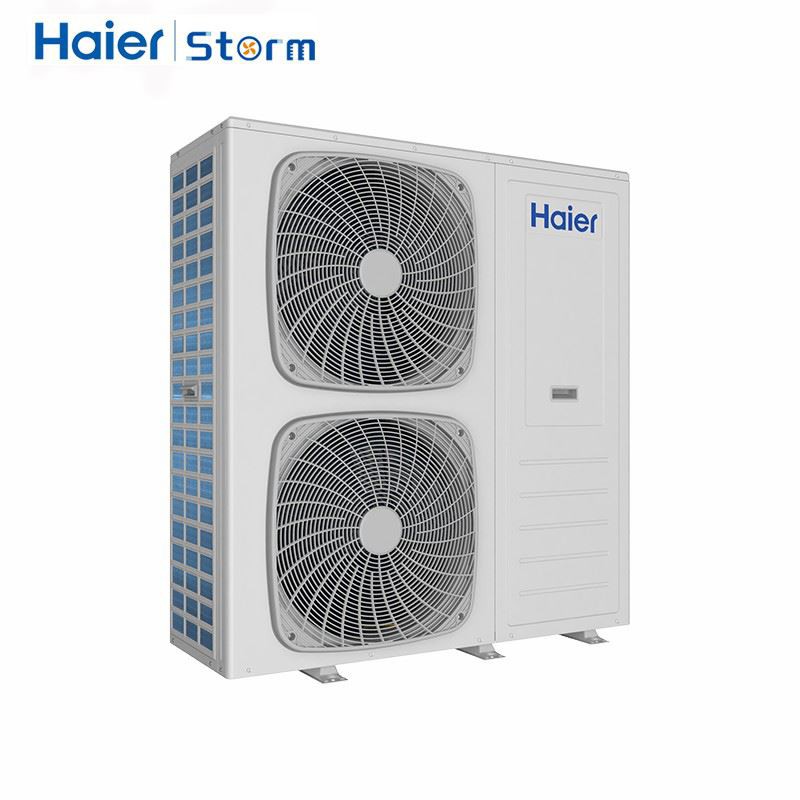
Heat Pump Heating And Cooling System
A heat pump heating and cooling system is a versatile appliance that provides both heating and air conditioning capabilities for residential or commercial spaces. It operates on the principle of thermodynamics, specifically the refrigeration cycle, to transfer heat energy between the indoors and outdoors.

A winter heating heat pump is a device designed to provide warmth and maintain comfortable indoor temperatures during the colder months of the year. It operates using the refrigeration cycle to move heat from a cold space to a warmer one, leveraging the natural thermal gradient between outdoor and indoor environments.
Green energy heat pumps, also known as renewable energy heat pumps, are systems that harness energy from the surrounding environment to provide heating and cooling to buildings. They operate on the principle of thermodynamics, transferring heat from a cooler space (like a building) to a warmer one (like the outdoors), or vice versa, depending on the season.
Energy Efficiency
Green Energy Heat Pumps are highly efficient, using minimal energy to transfer heat from one place to another. They can provide up to 4 times more energy than they consume, resulting in significant energy savings.
Versatility
Green Energy Heat Pumps can provide heating and cooling to keep your home comfortable year-round. They can be used in a variety of environments, including residential, commercial and industrial applications.
Reduce Space and Noise
Green Energy Heat Pumps Because they are compact and do not burn fuel, Green Energy heat pumps are quieter and take up less space than traditional heating systems.
Dual Mode Operation
Green Energy Heat Pumps can provide heating and cooling at the same time and are suitable for year-round use in various climate conditions.
Parts of Green Energy Heat Pumps
Evaporator
The component absorbs heat from the environment (air, ground, or water). As the coolant inside the evaporator evaporates, it absorbs heat from the surrounding environment.
Compressor
The compressor increases the pressure of the coolant vapor, thereby increasing its temperature. This warm steam then transfers the heat to the next component.
Condenser
In the condenser, high-pressure, high-temperature steam releases heat to the inside of the building during the heating cycle, or to the outside during the cooling cycle. As it releases heat, the vapor condenses back into a liquid.
Cooling Coil/Heating Coil
In a split heat pump system, the heating and cooling coils are located in the air handling unit in the indoor portion of the system. The coil is where heat transfer occurs between the coolant and the air within the building.
Fan
Fans circulate air over indoor coils to distribute heat or cool air throughout the building.
Refrigerant Lines
These are insulated pipes that carry coolant between the outdoor and indoor units of a split heat pump system.
Control Unit
It contains the thermostat and other controls that regulate the operation of the heat pump, including starting and stopping the compressor, regulating fan speed, and managing the defrost cycle (in an air-source heat pump).
Brackets, Pipes and Insulation
These support structures and materials ensure that the heat pump operates efficiently and safely. Insulation around refrigerant lines prevents heat loss or gain, thereby maintaining the integrity of the coolant temperature as it flows through the system.
Loop System
Loop systems consist of underground pipe loops filled with a mixture of water and antifreeze that circulate through heat exchangers connected to heat pumps to transfer heat from the ground or water to the building.
How to Choose Green Energy Heat Pumps


Types of Heat Pumps
Determine whether an air-source heat pump, ground-source heat pump (geothermal) or water-source heat pump is best for your property and climate. Geothermal and water source heat pumps utilize the constant temperature of the earth or a body of water, making them more environmentally friendly and efficient.
Energy Efficiency
Check for ENERGY STAR certification or High Energy Efficiency Ratio (EER) and Seasonal Energy Efficiency Ratio (SEER) ratings. Higher ratings indicate greater energy efficiency and long-term cost savings.
Refrigerant
Choose a heat pump that uses a low Global Warming Potential (GWP) refrigerant. Low GWP refrigerants have a lower environmental impact, especially in terms of ozone depletion and climate change.
Green Features
Consider models with built-in green technology, such as variable speed compressors, which regulate heat output for optimal efficiency. Also, choose a heat pump with smart controls that can learn your heating patterns and adjust operation accordingly.
Manufacturer Reputation
Choose brands that are known for producing sustainable and reliable products. Research the manufacturer's commitment to green practices and customer service.
Installation and Maintenance
Make sure the installer is certified and experienced in green technology. Proper installation is critical for optimal efficiency and longevity of the heat pump. Also, learn about maintenance programs that support sustainability.
Financial incentives
Learn about government incentives, tax credits or rebates available for installing a green energy heat pump. These can offset the cost of the initial investment.
Longevity and warranty
A heat pump with a longer lifespan reduces the need for replacement and is better for the environment. Choosing a model with a long warranty shows the manufacturer's confidence in its durability.
Local Climate and Usage Requirements
Consider extreme cold, hot or humid climates and select a heat pump that is appropriate for your local climate. A heat pump that meets your specific usage needs will operate more efficiently.
How to Install Green Energy Heat Pumps
Selection of Heat Pump Type
Based on the assessment, choose an air source heat pump, ground source heat pump (geothermal) or water source heat pump. Each type of heat pump has different installation requirements and efficiencies depending on location.
Site Preparation
Prepare the site for the heat pump installation. For air source heat pumps, this usually involves choosing a suitable location outside for the outdoor unit, usually near the entrance to the building. Ground source heat pumps require digging for surface loop piping and can be installed in shallow trenches or deep wells. Water source heat pumps require access to a body of water that can be used as a heat source/heat sink.
Pipe Installation
If necessary, install or retrofit ductwork to distribute air throughout the building. For ductless mini-split systems, individual room units are connected to individual outdoor condensers, eliminating the need for extensive ductwork.
Plumbing and Electrical Connections
Install the necessary plumbing connections for the refrigerant lines and make sure the heat pump is wired correctly. Electrical work must comply with local electrical codes and standards. Dedicated circuit breakers and properly sized wiring are essential for safe operation.
Integration With Existing Systems
If replacing an old heating system, integrate the new heat pump with any existing controls, thermostats or renewable energy systems such as solar panels.
Commissioning
After installation, commission the heat pump to ensure it is operating within the specified parameters. This includes checking that the refrigerant charge is correct, ensuring that the heat pump starts and stops correctly, and calibrating the controls.
Inspection and licensing
Depending on local codes, an inspector may be required to inspect the installation prior to use. Be sure to obtain all necessary permits before beginning the installation.
User Training
Train end users on how to operate and maintain the heat pump. Provide them with information on the regular maintenance schedule and any troubleshooting procedures.
Maintenance Program
Establish a regular maintenance schedule with the installer or a qualified technician to ensure that the heat pump continues to operate efficiently and that any potential problems are detected early.
How to Maintain Green Energy Heat Pumps
Periodic Inspection
Have an annual inspection by a qualified technician to evaluate the condition and performance of your heat pump. Check for any obvious damage, such as cracks or leaks in the outdoor unit or refrigerant lines.
Air Filter
Replace or clean indoor air filters monthly. Dirty filters reduce airflow and increase energy consumption.
Indoor Coil Cleaning
Clean indoor heat exchanger coils at least once a year to remove dust and debris that can impair heat transfer.
The Outdoor Unit
Keep the outdoor unit away from leaves, debris, and other obstructions that may impede airflow. Make sure the condensing unit is level and stable to prevent damage to the compressor.
Refrigerant Level
Check refrigerant levels during annual maintenance visits to make sure they are within the proper range.
Thermostat Calibration
Make sure your thermostat is working properly and calibrated to provide accurate readings for optimal temperature control.
Blower and Fan Motors
Lubricate any moving parts, such as blower and fan motors, to prevent wear and ensure smooth operation.
Ground Loop of Ground Source Heat Pump
Monitor the ground loop fluid level and inspect the ground loop piping for any signs of damage or leaks.
Water Source Heat Pump Water Quality
Test water quality regularly and treat if necessary to prevent scaling or corrosion within the heat pump system.
Seasonal Tasks
At the beginning of each cooling and heating season, check that the system is ready to operate.
Keeping Records
Record all maintenance activities, including the date, type of service performed, and any parts replaced.
Follow Manufacturer's Recommendations
Always follow the maintenance recommendations provided by the heat pump manufacturer, as they are tailored to the specific model and components.
Applications of Green Energy Heat Pumps
Residential Heating and Cooling
Green Energy Heat Pumps are commonly used for home heating, air conditioning and hot water. They can replace traditional furnaces and boilers, providing a more sustainable heating solution.
Commercial Building
Large buildings such as offices, retail spaces and schools utilize Green Energy Heat Pumps for climate control. Their ability to provide heating and cooling from a single unit makes them an effective option for managing energy use in these environments.
Water Heating
Green Energy Heat Pumps can be integrated into hot water systems to provide low-cost, environmentally friendly hot water for residential, commercial and industrial uses.
District Heating
In district heating systems, Green Energy Heat Pumps can be used to extract heat from underground water sources or ambient air to provide heating for multiple buildings within a city or community.
Certificate

Frequently Asked Questions
Q: What is a heat pump?
Q: How does a heat pump work?
Q: Are heat pumps renewable energy sources?
Q: How efficient are heat pumps compared to conventional heating systems?
Q: What types of heat pumps are there?
Q: Are heat pumps suitable for cold climates?
Q: Can heat pumps be used for cooling?
Q: What are the environmental benefits of heat pumps?
Q: How long do heat pumps typically last?
Q: What factors should be considered when installing a heat pump?
Q: How much do heat pumps cost to install?
Q: Do heat pumps require maintenance?
Q: Can heat pumps provide hot water?
Q: Are there any incentives or subsidies available for installing heat pumps?
Q: How does a heat pump compare to a furnace in terms of noise?
Q: Can heat pumps be used in mobile homes?
Q: What is the coefficient of performance (COP) of a heat pump?
Q: How do heat pumps affect indoor air quality?
Q: Are there any potential drawbacks to using heat pumps?
Q: How can I find the right heat pump for my needs?
Hot Tags: air-cooled heat pump, China air-cooled heat pump manufacturers, suppliers, factory, R290 Heat Pump, Air Energy Heat Pump Host, Low Temperature Heating Heat Pump, Variable Frequency Heat Pump System, Zero Pollution Heat Pump, Heat Pump Heating and Cooling System