

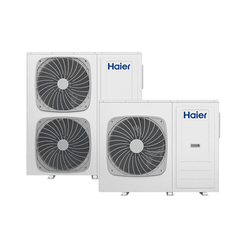

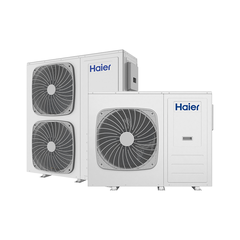
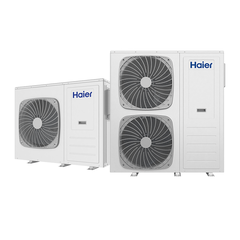
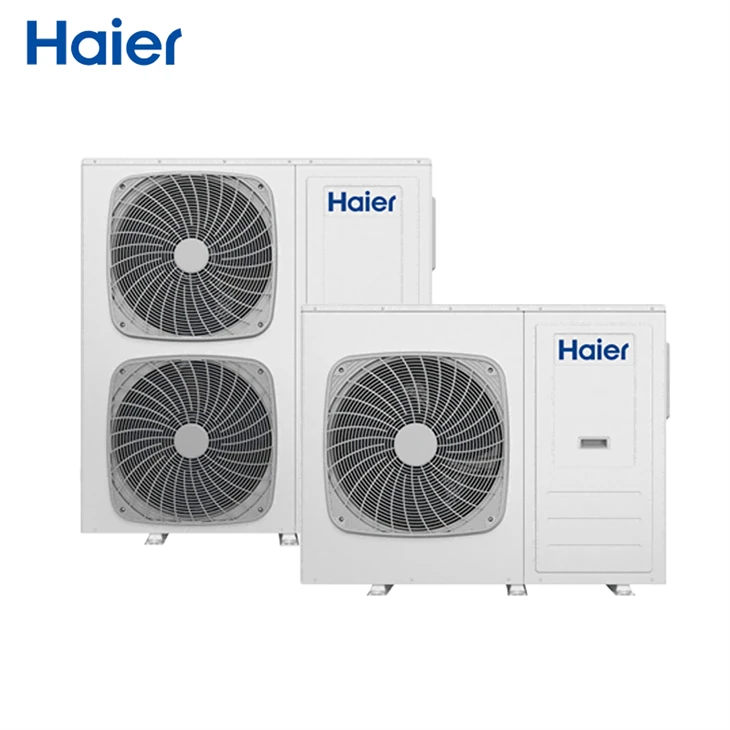
Haier : Your Trustworthy High Heat Heat Pump Supplier!
Our company, founded in 1984, is the world's leading home appliance manufacturer and has long been among the world's top 500 companies. Over the past 40 years, Haier has attached great importance to product quality, produced the best home appliances, continuously met consumer needs, and provided consumers with high-quality products and services.
Rich Products
We can produce air source heat pump heating equipment, high-efficiency heat pump heating machines, 8kw air source heat pumps, 10kw air source heat pumps, low noise heat pumps, smart heat pumps, etc.
Products Widely Used
The products we produce are suitable for users who renovate, or build new apartments and villas for heat conversion as well as whole-room heating and cooling. Can be installed on balconies, roofs, outdoor platforms, computer rooms, etc.
Customizable
Our products can be OEM customized and we also provide comprehensive solutions including process flow support, automation technology, service and training. And we also provide free warranty service.
Quality Assurance
The products produced by our company have passed ISO9000 and CE quality standards. And we have also passed certificates such as Fortune Global 500 and ESG International Awards.

A Variable Frequency Heat Pump (VFHP) utilizes variable frequency drives (VFDs) to control the speed of the compressor motor in the heat pump system. VFDs are electronic devices that adjust the power supplied to the compressor, enabling it to operate at various speeds rather than just two fixed settings-on or off.

A Central Heat Heat Pump is a system that serves as the central heating source for an entire home or building. It operates similarly to an air conditioner in reverse, extracting heat from the outside air in the winter and transferring it indoors. In the summer, it can function as an air conditioner by absorbing heat from inside the building and releasing it outdoors.

An Air Energy Heating Machine refers to a device that utilizes ambient air energy to produce heat for various applications, such as space heating or water heating. This machine operates on the principle of heat pump technology, whereby it absorbs heat from the external environment (even when it's cold outside) and transfers it to a higher temperature space or fluid.

An Air Source Heat Pump (ASHP) is a device that transfers thermal energy from the outside air to the interior of a building. It does so by absorbing heat from the air in the outside environment even when the temperature is low and releasing that heat indoors. The process is powered by an electrically driven compressor and is more efficient than traditional electric heating methods.

An All-In-One Heat Pump refers to a compact heat pump system where both the outdoor and indoor units are integrated into a single appliance. In such systems, the compressor, condenser, and evaporator are housed within one unit, which is usually installed indoors, often in a closet or a dedicated space within a room. The heat exchange process takes place within this single unit, and the refrigerant circulates through the coils to absorb and release heat.

Environmentally Friendly Heat Pump
An environmentally friendly heat pump is a system designed with minimal ecological impact, focusing on reducing greenhouse gas emissions and minimizing the use of harmful refrigerants. These heat pumps employ refrigerants with a lower global warming potential (GWP) compared to traditional hydrofluorocarbon (HFC) refrigerants. Additionally, they are engineered to maximize energy efficiency, thus reducing energy consumption and lowering the overall carbon footprint.

Underfloor Heating For Heat Pump
Underfloor heating for heat pump systems is a method of distributing the warmth produced by a heat pump throughout a building. This system involves a network of piping installed in the floor, typically between the structural slab and the finish flooring, or within a suspended floor structure. Hot water or an antifreeze solution is circulated through these pipes, releasing heat into the space via natural convection and radiation.

High heat heat pumps are designed to deliver higher temperature heat outputs than conventional heat pumps, making them suitable for applications that require significant amounts of thermal energy, such as large commercial buildings, industrial processes, or residential heating systems in colder climates. These heat pumps can achieve internal temperatures of up to 60°C or more, which is necessary for certain heating requirements that standard heat pumps cannot fulfill.

A zero pollution heat pump is a theoretical concept that refers to a heating system that operates without emitting any pollutants into the environment. In practical terms, this would mean a heat pump that uses clean, renewable energy sources to power its operation, and employs refrigerants that have zero ozone depletion potential (ODP) and very low or zero global warming potential (GWP).
A high heat heat pump is a specialized type of heating appliance designed to deliver warm air at higher temperatures compared to traditional heat pumps. This capability makes them suitable for applications where additional warmth is required, such as in colder climates or for spaces that need higher ambient temperatures, like hydronic heating systems or industrial processes.
Features of High Heat Heat Pump
Enhanced Refrigeration Cycle
The High Heat Heat Pump refrigeration cycle is optimized to provide heat even at low outside temperatures. This may involve modifications to the compression process or the use of a reverse split cycle.
High Capacity Compressor
The High Heat Heat Pump is able to handle a larger volume of refrigerant, allowing the heat pump to produce more heat when needed.
High Quality Refrigerant
High Heat Heat Pump was selected for its improved thermodynamic properties, which allows the heat pump to operate with greater efficiency and provide heat at elevated temperatures.
Two-Stage or Variable Speed Compressor
The High Heat Heat Pump can adjust its output to provide a steady flow of heat or a quick burst of heat, which is especially useful in changing climate conditions.
Dual Fuel Function
The High Heat Heat Pump can run on electricity or alternative fuel sources such as propane, providing flexibility and potential cost savings.
Compatibility With Hydronic Heating
High Heat Heat Pumps are typically designed to be integrated with hydronic heating systems, allowing efficient heat distribution through water or glycol solutions.
Evaporator Coil
The evaporator coil absorbs heat from the outside air. As the refrigerant inside the coil evaporates, it absorbs heat from the surrounding environment.
Compressor
The compressor is responsible for increasing the pressure and temperature of the refrigerant vapor, which then flows to the condenser coil.
Condenser Coil
Here, the high-pressure refrigerant releases heat. In a hyperthermic heat pump, the condenser is designed to operate efficiently at lower outside temperatures, providing warmth even in cold climates.
Expansion Valve or Capillary Tube
This component reduces the pressure of the liquid refrigerant, allowing it to cool as it enters the evaporator coil.
Blower or Fan
The blower circulates air over the indoor heat exchanger, distributing the heat generated by the heat pump throughout the building.
Control System
Sensors and controllers monitor and manage the operation of the heat pump, adjusting its output based on temperature settings and conditions inside and outside the building.
Refrigerant Lines
Refrigerant lines carry refrigerant between the various components of the heat pump system.
Heat Exchanger
Both the indoor and outdoor units are equipped with heat exchangers that facilitate heat transfer between the refrigerant and the air or heating medium.
Defrost Mechanism
High-temperature heat pumps may include a defrost cycle to remove ice buildup on the outdoor coils to increase efficiency and prevent damage.
Pipeline System
In some systems, ductwork is used to distribute hot air from the blower to different areas of the building.
Working Principle of High Heat Heat Pump
Evaporation
A low-pressure gas refrigerant absorbs heat from the outdoor air as it passes through the evaporator coil. This causes the refrigerant to evaporate and increase in temperature without changing its phase.
01
Compression
The now warm, low-pressure refrigerant gas is drawn into the compressor. The compressor raises the pressure and consequently the temperature of the refrigerant gas. This process further increases the thermal energy captured from the outdoor air.
02
Condensation
The high-pressure, high-temperature refrigerant gas then flows into the condenser coil. As it passes through the coil, it releases heat to the indoor space. The release of heat causes the refrigerant to condense back into a liquid state.
03
Expansion
The liquid refrigerant then passes through an expansion valve or capillary tube, which lowers its pressure. This reduction in pressure results in a drop in temperature of the refrigerant.
04
Re-Evaporation
The now cold, low-pressure liquid refrigerant returns to the evaporator coil. It absorbs additional heat from the outdoor air and begins the cycle again.
05
How to Choose High Heat Heat Pump
Climate Requirements
Evaluate the average winter temperatures in your area. Make sure the heat pump you choose can operate efficiently in these conditions.
Heating and Cooling Loads
Determine the heating and cooling requirements for your home or building. This includes knowing the size of the space to be heated and the quality of the insulation.
Efficiency Level
Look for the Energy Star label or equivalent certification indicating high efficiency. Coefficient of Performance (COP) and Seasonal Performance Factor (SPF) ratings should be as high as possible for a given climate.
Refrigerant Type
Check the type of refrigerant used and make sure it has a low global warming potential (GWP). Refrigerants with less impact on the environment are preferred.
Compressor Technology
Consider the type of compressor, single stage, two stage or variable speed. Variable speed compressors provide greater efficiency and comfort by adjusting heating output to meet demand.
Defrost Ability
For colder climates, a heat pump with an effective defrost mechanism is essential to prevent the outdoor unit from freezing, which can reduce efficiency.
Integrate With Existing Systems
If you have an existing heating system, check whether the new heat pump can be integrated seamlessly. Some systems can be used with a traditional furnace or boiler for added redundancy.
Installation and Maintenance
Consider ease of installation and the availability of maintenance services in your area. Proper installation and regular maintenance are essential for optimal performance.
Brand Reputation and Warranty
Choose a reputable brand with a proven track record. A comprehensive warranty protects your investment from unexpected repair costs.
How to Install High Heat Heat Pump


Site Assessment
Before beginning any physical installation, evaluate the installation site to determine the best location for indoor and outdoor equipment. Make sure there is adequate space for air circulation and that the equipment is easy to maintain.
Licenses and Approvals
Obtain any necessary permits and approvals from local authorities before starting the installation process. This ensures that the installation complies with all relevant codes and standards.
Indoor Unit Installation
Install the indoor unit in a suitable space that can effectively dissipate heat. Mount the device to the ceiling or wall, making sure it is level and secure. Connect power and any necessary ductwork (if applicable).
Outdoor Unit Installation
Place the outdoor unit on a solid foundation away from direct sunlight and sources of constant pollution. Secure equipment securely to prevent theft or accidental movement.
Refrigerant Line
Install insulated copper or aluminum refrigerant lines between the indoor and outdoor units. Make sure the wiring is correctly sized and insulated to minimize heat loss.
Electrical Wiring
Provide dedicated electrical service to both devices. Connect wiring according to manufacturer's instructions and local electrical codes.
Drainage and Ventilation
Install a drainage system for condensate generated by the indoor unit and ensure good ventilation so that fresh air can enter and dirty air can be discharged.
System Recharge
Charge the system with the appropriate refrigerant, making sure to add the correct amount per the manufacturer's specifications.
Test
After you have made all connections, test the heat pump system to make sure it is functioning properly. Check the refrigerant lines for leaks, the compressor for proper operation, and the heating and cooling functions as expected.
Examine
After testing, arrange for a local inspector to inspect the installation to verify that it meets all code requirements.
How to Maintain High Heat Heat Pump
Regular Maintenance
Schedule routine maintenance inspections with a professional HVAC technician to ensure all components are working efficiently.
Clean or Replace Filter
Dirty filters restrict airflow and reduce heat output. Clean or replace filters regularly according to manufacturer's recommendations.
Clean the Coil
Make sure indoor and outdoor coils are free of dirt, debris, and other obstructions to maintain optimal heat transfer.
Check Ductwork
Check the ductwork for leaks, holes or gaps that could cause heat loss. Sealing ducts helps keep heat output high.
Programmable Thermostat
Maximize the performance of your heat pump by effectively regulating temperatures with a programmable thermostat.
Proper Insulation
Make sure your home is well insulated to prevent heat loss and increase the efficiency of your heat pump.
Avoid Overworking the System
Setting the thermostat too high can stress the heat pump, making it less efficient. Aim to achieve a comfortable temperature without stressing the system.
Monitoring Efficiency
Focus on the efficiency of the system over time. If you notice performance degradation, contact a professional to evaluate and resolve any issues immediately.
Residential Heating
They can provide comfortable heating for residential buildings even in colder climates where traditional heat pumps may struggle.
Commercial Heating
High-heat heat pumps can be used in commercial settings such as offices, retail spaces, and restaurants to maintain a warm environment.
Industrial Process
In industries where heat is required for processes such as food processing, textile manufacturing or wood drying, high-heat heat pumps can serve as energy-saving heat sources.
District Heating System
These systems can be integrated into district heating networks to provide more efficient heating to multiple buildings than individual heating systems.
Certificate

Frequently Asked Questions
Q: What is a high heat heat pump?
Q: How does a high heat heat pump work?
Q: What are the benefits of using a high heat heat pump?
Q: Are high heat heat pumps suitable for all climates?
Q: Can high heat heat pumps provide hot water?
Q: How do high heat heat pumps compare to traditional heating systems?
Q: What is the typical lifespan of a high heat heat pump?
Q: Do high heat heat pumps need maintenance?
Q: How much does it cost to install a high heat heat pump?
Q: Is there any noise associated with high heat heat pumps?
Q: Can high heat heat pumps be used in conjunction with solar panels?
Q: What type of refrigerants do high heat heat pumps use?
Q: How efficient are high heat heat pumps on the coldest days?
Q: Are there any incentives available for installing high heat heat pumps?
Q: Can I install a high heat heat pump myself?
Q: What size high heat heat pump do I need for my home?
Q: How do I know if my home is suitable for a high heat heat pump?
Q: What happens if my high heat heat pump breaks down?
Q: Are there different types of high heat heat pumps?
Q: Should I replace my old heating system with a high heat heat pump?
Hot Tags: zero pollution heat pump, China zero pollution heat pump manufacturers, suppliers, factory, Intelligent Control Heat Pump, Heat Pump for Heating and Hot Water, 8kw Air Source Heat Pump, Whole Home Heat Pump, Energy Saving Heat Pump, R290 Air Source Heat Pump