

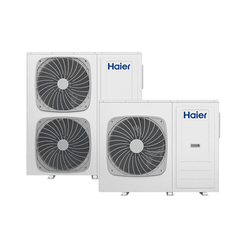

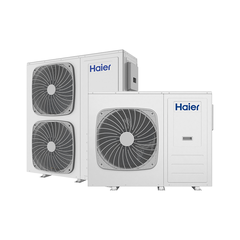
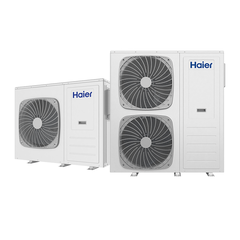

Haier : Your Trustworthy Air Energy Heating Heat Pump Supplier!
Our company, founded in 1984, is the world's leading home appliance manufacturer and has long been among the world's top 500 companies. Over the past 40 years, Haier has attached great importance to product quality, produced the best home appliances, continuously met consumer needs, and provided consumers with high-quality products and services.
Rich Products
We can produce air source heat pump heating equipment, high-efficiency heat pump heating machines, 8kw air source heat pumps, 10kw air source heat pumps, low noise heat pumps, smart heat pumps, etc.
Products Widely Used
The products we produce are suitable for users who renovate or build new apartments and villas for heat conversion as well as whole-room heating and cooling. Can be installed on balconies, roofs, outdoor platforms, computer rooms, etc.
Customizable
Our products can be OEM customized and we also provide comprehensive solutions including process flow support, automation technology, service and training. And we also provide free warranty service.
Quality Assurance
The products produced by our company have passed ISO9000 and CE quality standards. And we have also passed certificates such as Fortune Global 500 and ESG International Awards.

A Variable Frequency Heat Pump (VFHP) utilizes variable frequency drives (VFDs) to control the speed of the compressor motor in the heat pump system. VFDs are electronic devices that adjust the power supplied to the compressor, enabling it to operate at various speeds rather than just two fixed settings-on or off.

A New Energy Heat Pump refers to heat pump systems that utilize innovative technologies or approaches to enhance efficiency and sustainability, often integrating renewable energy sources. These systems are designed to reduce the carbon footprint by using electricity generated from renewable resources, such as wind or solar power, to drive the heat pump's compressor.

High Temperature 75℃ Heat Pump
A high-temperature heat pump capable of reaching temperatures up to 75°C is an engineered system designed to provide hot water or space heating at elevated temperatures that exceed those typically achieved by standard heat pumps. The ability to reach higher temperatures is made possible through the use of specialized refrigerants, advanced compression techniques, and sometimes integration with auxiliary heat sources.

An Air Source Heat Pump (ASHP) is a device that transfers thermal energy from the outside air to the interior of a building. It does so by absorbing heat from the air in the outside environment even when the temperature is low and releasing that heat indoors. The process is powered by an electrically driven compressor and is more efficient than traditional electric heating methods.

An All-In-One Heat Pump refers to a compact heat pump system where both the outdoor and indoor units are integrated into a single appliance. In such systems, the compressor, condenser, and evaporator are housed within one unit, which is usually installed indoors, often in a closet or a dedicated space within a room. The heat exchange process takes place within this single unit, and the refrigerant circulates through the coils to absorb and release heat.

Environmentally Friendly Heat Pump
An environmentally friendly heat pump is a system designed with minimal ecological impact, focusing on reducing greenhouse gas emissions and minimizing the use of harmful refrigerants. These heat pumps employ refrigerants with a lower global warming potential (GWP) compared to traditional hydrofluorocarbon (HFC) refrigerants. Additionally, they are engineered to maximize energy efficiency, thus reducing energy consumption and lowering the overall carbon footprint.

Underfloor Heating For Heat Pump
Underfloor heating for heat pump systems is a method of distributing the warmth produced by a heat pump throughout a building. This system involves a network of piping installed in the floor, typically between the structural slab and the finish flooring, or within a suspended floor structure. Hot water or an antifreeze solution is circulated through these pipes, releasing heat into the space via natural convection and radiation.

High heat heat pumps are designed to deliver higher temperature heat outputs than conventional heat pumps, making them suitable for applications that require significant amounts of thermal energy, such as large commercial buildings, industrial processes, or residential heating systems in colder climates. These heat pumps can achieve internal temperatures of up to 60°C or more, which is necessary for certain heating requirements that standard heat pumps cannot fulfill.

A zero pollution heat pump is a theoretical concept that refers to a heating system that operates without emitting any pollutants into the environment. In practical terms, this would mean a heat pump that uses clean, renewable energy sources to power its operation, and employs refrigerants that have zero ozone depletion potential (ODP) and very low or zero global warming potential (GWP).
An Air Energy Heating Heat Pump is a device that utilizes the heat energy present in the air to provide warmth to buildings or structures. It functions as a heat engine, moving heat from a cooler space (in this case, the outside air) to a warmer one (inside the building). The process is powered by electricity and is reversible, allowing the heat pump to also serve as a cooling system during hot weather.
Efficient Energy Use
Air Energy Heating Heat Pump is very efficient, especially in mild climate conditions. They have high Seasonal Energy Efficiency Ratios (SEER) and Heating Seasonal Performance Factors (HSPF), which means they use less energy to produce heat than traditional heating methods such as furnaces or boilers.
Reverse Loop Operation
Air Energy Heating Heat Pump can switch between heating and cooling modes. During the heating season, they extract heat from the outdoor air and transfer it indoors. In cooling mode, they remove heat from inside the building and release it to the outdoors.
Partition Function
Many modern heat pumps allow for zoning, meaning they can heat or cool different parts of a building separately depending on occupancy and temperature preferences. This improves comfort and further saves energy.
Reduce Carbon Footprint
By utilizing existing heat in the air, the Air Energy Heating Heat Pump helps reduce greenhouse gas emissions compared to fossil fuel-based heating systems, especially when the electricity used comes from renewable sources.
Indoor Evaporator Coil
This component absorbs heat from the indoor air, causing the refrigerant to evaporate and cool the air. It connects to a fan that distributes cooling air throughout the house through a system of ducts.
Outdoor Condenser Coil
The high-pressure, high-temperature refrigerant releases heat into the outdoor air. Fans help blow air across the coils to increase heat exchange efficiency.
Compressor
The compressor is the heart of the heat pump system. It increases the pressure of the refrigerant, raising its temperature, and then circulates to heat or cool indoor spaces.
Expansion Valve or Capillary Tube
This component reduces the pressure of the refrigerant as it flows from the compressor to the evaporator coil, allowing it to absorb heat from the indoor air during cooling and from the outdoor air during heating.
Refrigerant Pipe
These pipes carry refrigerant between the indoor and outdoor coils to the compressor.
Controls and Thermostats
The thermostat regulates the temperature in the house and sends a signal to the heat pump to turn it on or off, or switch between heating and cooling modes.
If the heat pump is part of a forced-air heating and cooling system, it will include a network of ducts that distribute conditioned air throughout the home.
Benefits of Using Air Energy Heating Heat Pump

Low Maintenance Cost
Air Energy Heating Heat Pumps generally require less maintenance than other heating systems because they lack the moving parts of a combustion system such as a furnace.

Quiet Operation
Air source heat pumps are generally quieter than other heating and cooling systems, especially compared to older models of furnaces and boilers.

Space-Saving Design
Because an ASHP's outdoor unit combines a compressor and condenser, it takes up less space than separate cooling and heating units.

Integrate With Renewable Energy
The Air Energy Heating Heat Pump can be integrated with other renewable energy systems such as solar panels or geothermal systems to increase efficiency and sustainability.
Climate Considerations
Assess the climate where you live. Heat pumps are most efficient in temperate climates. If you live in a very cold area, consider a model with a higher HSPF rating or a hybrid system that includes a backup heat source like a furnace.
Efficiency Rating
Check out the SEER (Seasonal Energy Efficiency Ratio) and HSPF (Heating Seasonal Performance Factor) ratings. Higher ratings indicate greater efficiency and cost savings over time.
Space And Ductwork
Determine if there is enough space for the heat pump and its components. Additionally, evaluate your existing ductwork to ensure it can handle the distribution of heated or cooled air efficiently.
Budget
Consider installation costs, operating costs, and any potential incentives or rebates offered by local utility companies or government programs for choosing energy-efficient systems.
System Type
Choose from a split system (where the indoor and outdoor units are separate) or a packaged system (where all components are mounted together), typically installed on the roof or on a concrete slab near the home.
Partitioning Requirements
If you want to be able to control the temperature in different areas of your home, choose a heat pump that's compatible with a zoned system.
Smart Home Compatibility
If you own or are planning a smart home, look for a heat pump that integrates with the smart home ecosystem for remote monitoring and control.
Brand Reputation and Service
Choose a brand with a good reputation for reliability and customer service. Make sure there are qualified technicians in your area to maintain and repair heat pumps.
Installation Professionals
Work with a licensed and experienced HVAC contractor who is certified to install and repair heat pumps. Proper installation is critical for optimal performance and longevity of your system.
How to Install Air Energy Heating Heat Pump
Site Assessment
Prior to installation, a professional will assess the site to determine the best location for the outdoor unit, taking into account factors such as sun shading, proximity to power sources, and space requirements.
System Selection
Based on the assessment, technicians will select the appropriate size and type of heat pump that will fit the space and meet the building's heating and cooling needs.
Tools and Materials Preparation
Before starting installation, make sure all necessary tools, materials and safety equipment are on hand.
Outdoor Unit Installation
Outdoor units are usually placed on a solid platform or slab. It should be level and securely mounted to prevent any movement or damage.
Indoor Unit Installation
Indoor evaporator coils are installed in the furnace or air handler. Modifications to existing systems may be required to ensure compatibility.
Refrigeration Pipeline Installation
The refrigeration pipeline extends from the outdoor unit to the indoor unit. These lines need to be insulated to prevent heat loss and must be properly routed and supported to avoid sagging.
Electrical Wiring
Professionals will perform the necessary electrical wiring from the power source to outdoor and indoor equipment. Proper grounding is also critical to safety.
Drain and Condensate Pipes
If the indoor unit has a condensate drain, it must be installed correctly to ensure water is efficiently drained from the building.
Controls and Thermostat Installation
Heat pump systems need to be connected to a thermostat that can manage heating and cooling functions. If this functionality is required, the control may need to be configured for partitioning.
Refrigerant Charge
A professional will charge the system with the correct amount of refrigerant. This is a critical step that requires expertise and tools to ensure correct operation.
Testing and Debugging
Once everything is installed, technicians will perform tests to ensure the heat pump is working properly in both heating and cooling modes. Tuning may be required to optimize performance.
Inspections and Permits
Depending on local regulations, inspections may be required to verify that the installation complies with building codes and safety standards. Necessary permissions should be obtained before installation.
How to Maintain Air Energy Heating Heat Pump


Air Filter Replacement
Replace or clean your air filter monthly to maintain airflow and reduce system stress. Clogged filters can lead to reduced efficiency and increased energy consumption.
Visual Inspection
Perform regular visual inspections of the outdoor unit to check for any signs of damage, corrosion, or debris accumulation. The indoor unit and associated ductwork should also be checked for leaks or blockages.
Blower and Coil Cleaning
Clean indoor evaporator coils and outdoor condenser coils annually to remove dust and other debris that may hinder heat transfer efficiency.
Check Refrigerant Level
The refrigerant level should be checked regularly to ensure it is at the correct pressure. A refrigerant leak may occur and needs to be addressed immediately to avoid degradation of system performance.
Thermostat Calibration
Verify that the thermostat is working properly and set to the desired heating and cooling temperatures. Over time, adjustments may be needed.
Electrical Component Inspection
Check all electrical connections and components for wear, damage, or loose connections. Make sure all safety devices and controls are functioning properly.
Drainage and Condensation Removal
Clean condensate drain lines to prevent blockages that can lead to water damage. Make sure the drain pipe slopes toward the exit point and is clear of obstructions.
Partition System Maintenance
If the heat pump is part of a zoned system, check that each zone is functioning properly and that dampers open and close as required.
Professional Services of the Year
Schedule an annual professional maintenance visit for a complete inspection of your heat pump system. Technicians will perform detailed inspections and adjustments that go beyond a homeowner's routine maintenance.
Insulation and Sealing
Make sure the insulation around the ductwork is intact and there are no air leaks in the home. Improving your home's insulation and sealing can improve the overall efficiency of your heat pump.
Backup Heat Source Check
If the heat pump is part of a hybrid system with a backup heat source (such as a furnace), make sure that component is maintained as well, especially if used during cold spells.
Certificate

Frequently Asked Questions
Q: What is an air source heat pump and how does it work?
Q: What are the main benefits of using an air source heat pump?
Q: How efficient is an air source heat pump compared to other heating methods?
Q: What size heat pump do I need for my home?
Q: Can a heat pump be used for cooling as well as heating?
Q: How much does it cost to install an air source heat pump?
Q: How long does it typically take to install a heat pump?
Q: Does a heat pump require regular maintenance?
Q: How often should I have my heat pump inspected and maintained?
Q: Can a heat pump be used in colder climates?
Q: What is the average lifespan of an air source heat pump?
Q: Are there any government incentives available for installing a heat pump?
Q: How much can I expect to save on my energy bills by switching to a heat pump?
Q: Is there any noise associated with the operation of a heat pump?
Q: Can I install a heat pump myself or do I need professional assistance?
Q: What happens if my heat pump stops working?
Q: How do I know if a heat pump is suitable for my home?
Q: Can a heat pump provide hot water as well as heating?
Q: Are there different types of air source heat pumps available?
Q: How do I choose the best heat pump for my needs?
Hot Tags: haier r290 air source heat pump, China haier r290 air source heat pump manufacturers, suppliers, factory, Residential EVI Variable Frequency Heat Pump, Air Energy Water Heat Pump, Quietest Air Source Heat Pump, High Efficiency Heat Pump System, Air Source Heat Pump, New Energy Heat Pump