

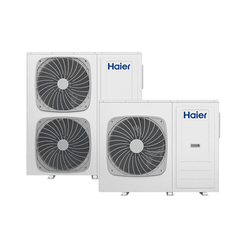

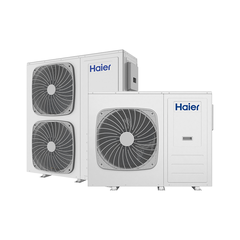
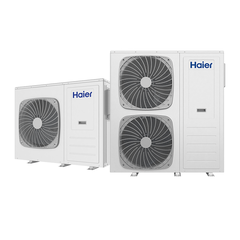
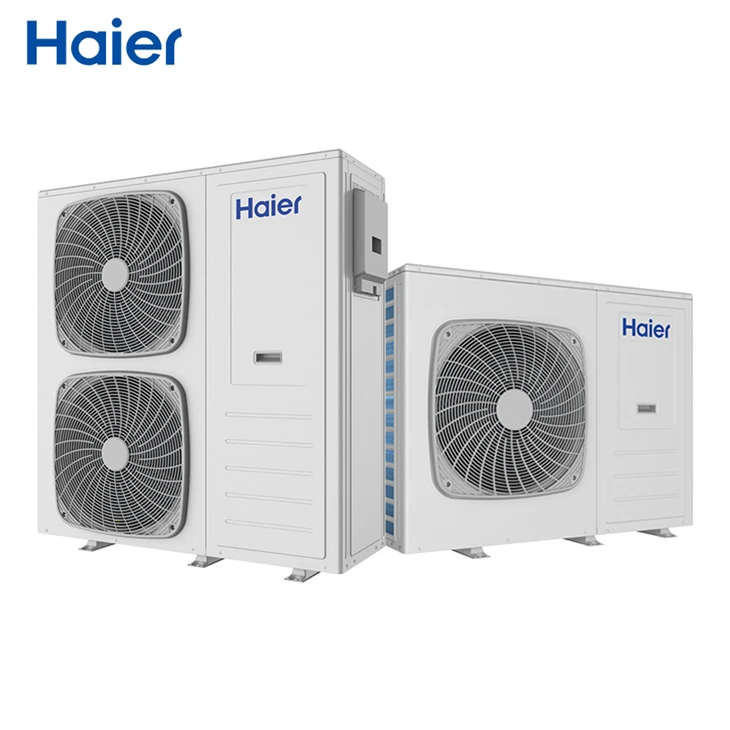
Haier : Your Trustworthy High Efficiency Heat Pump System Supplier!
Our company, founded in 1984, is the world's leading home appliance manufacturer and has long been among the world's top 500 companies. Over the past 40 years, Haier has attached great importance to product quality, produced the best home appliances, continuously met consumer needs, and provided consumers with high-quality products and services.
Rich Products
We can produce air source heat pump heating equipment, high-efficiency heat pump heating machines, 8kw air source heat pumps, 10kw air source heat pumps, low noise heat pumps, smart heat pumps, etc.
Products Widely Used
The products we produce are suitable for users who renovate, or build new apartments and villas for heat conversion as well as whole-room heating and cooling. Can be installed on balconies, roofs, outdoor platforms, computer rooms, etc.
Customizable
Our products can be OEM customized and we also provide comprehensive solutions including process flow support, automation technology, service and training. And we also provide free warranty service.
Quality Assurance
The products produced by our company have passed ISO9000 and CE quality standards. And we have also passed certificates such as Fortune Global 500 and ESG International Awards.

A Smart Heat Pump is an advanced version of a heat pump system that integrates smart technology features. These systems are designed to efficiently transfer heat energy from outside to inside a building to provide heating during colder months and, conversely, to extract heat from inside to cool the space during warmer months.

Air Energy Heat Pump Heating Equipment
Air energy heat pump heating equipment is a type of HVAC (heating, ventilation, and air conditioning) system that utilizes the natural heat contained in the outdoor air to provide warmth indoors, even when the temperature drops below freezing. The principle behind this technology is the thermodynamic process that allows a refrigerant to absorb heat from the environment at low temperatures and release it at a higher temperature inside a building.

High Efficiency Heat Pump Heating Machine
High Efficiency Heat Pump Heating Machines are advanced systems designed to deliver maximum thermal comfort while minimizing energy consumption. These machines operate on the principle of extracting heat from outdoor air, ground, or water sources and transferring it indoors for heating purposes. During the summer, they reverse the process to function as an air conditioner, removing heat from inside and releasing it outdoors.

An 8kW air source heat pump is a heating and cooling system capable of delivering up to 8 kilowatts of thermal power to a space. The term 'kW' refers to the rate at which the heat pump can provide heat energy to the interior of a building. In practical terms, an 8kW unit is suitable for heating a medium-sized home or space, depending on factors such as insulation quality, climate, and desired internal temperature.

A 10kW air source heat pump is a type of heating appliance designed to provide warmth to residential or commercial buildings by extracting heat energy from the outside air, even when temperatures are low. The "10kW" designation signifies the heat pump's rated thermal output capacity-it can deliver up to 10 kilowatts of heating power.

A 12kW air source heat pump (ASHP) is a heating and cooling system engineered to provide efficient heating and, in some cases, cooling to mid-sized to large residential homes, commercial spaces, or light industrial applications. The 12kW rating indicates the maximum continuous power output in kilowatts that the heat pump can deliver to a space for heating purposes.

A 14kW air source heat pump (ASHP) is a heating and cooling system designed to efficiently provide warmth to larger residential properties or commercial buildings. The 14kW figure represents the heat pump's rated thermal output capability, indicating that it can supply up to 14 kilowatts of heating power.

A 16kW air source heat pump (ASHP) is a high-capacity heating appliance that uses the warmth naturally present in the outside air to provide heating to larger residential or commercial buildings. With a thermal output capacity of 16 kilowatts, it can effectively heat spaces that require substantial heating power, such as large homes, offices, or other structures where the demand for heating is significant.

An instant heating heat pump is a type of heat pump system designed to provide immediate heating upon activation, without the need for a lengthy waiting period to reach the desired temperature. Traditional heat pumps may take some time to warm up a space, especially if the initial room temperature is low. However, an instant heating heat pump aims to overcome this by incorporating technologies and features that enable almost instantaneous heat delivery.
A High Efficiency Heat Pump System is an advanced air conditioning and heating appliance that operates on the principle of heat absorption and release. It is designed to efficiently transfer heat between the interior and exterior of a building, providing cooling in the summer and heating in the winter. The term "high efficiency" signifies that the heat pump has been engineered to maximize its energy use, resulting in substantial savings on utility bills and a reduced environmental impact.
Variable Speed Technology
The High Efficiency Heat Pump System utilizes a variable speed compressor and fan to adjust output based on demand. This allows continuous operation at varying capacities, reducing energy waste and maintaining a consistent indoor climate.
High Efficiency Coils
Evaporator and condenser coils are designed for optimal heat exchange. They are made of materials and configured to minimize energy loss and increase heat transfer efficiency.
Two-Stage or Modulating Compressors
These compressors run at low capacity most of the time, switching to full capacity only when necessary to provide a higher level of comfort. This reduces on/off cycling and provides more gradual temperature regulation.
Dual Fuel Capability
The High Efficiency Heat Pump System can run on either electric heat or gas, providing flexibility in fuel selection, often resulting in increased efficiency and cost savings.
Parts of High Efficiency Heat Pump System
Compressor
An important component of a heat pump is the compressor. The refrigerant is compressed to very high pressures in the compressor, while its temperature is also raised. When the refrigerant enters a compressor, it is in a gaseous state at low pressure and low temperature and exits the compressor at high pressure and high temperature in a gaseous state.
Condenser
The next important component of a heat pump is the condenser. Heating is one of the functions of a heat pump, and the condenser produces this effect inside a room. The refrigerator's main function is to cool the substance or material, and the evaporator produces this effect. Whereas the evaporator is the main component in refrigerators that produces cooling, the condenser is the main component in heat pumps that produces heating. An air conditioner's condenser is located outside the room that must be cooled, but a heat pump's condenser is located inside the room.
Expansion Valve
The expansion valve reduces pressure. The refrigerant entering the expansion valve at high pressure and medium temperature suddenly experiences a decrease in pressure and temperature. In heat pumps, copper capillary tubes are the most common expansion valves. Expansion valves release refrigerants in partially liquid and partially gaseous states when pressure and temperature are extremely low.
Evaporator
Air conditioners have their evaporators inside the room, but heat pumps have their evaporators outside the room and are exposed to the local atmosphere, which is extremely cold. The copper coil also makes up the evaporator, just like the condenser. By entering the evaporator coil at low pressure and low temperature, the refrigerant drastically reduces the coil's temperature to an even lower level than the atmospheric temperature.
Refrigerant
In addition to the four essential components, the refrigerant is another equally important part of a heat pump. Heat pumps use the same refrigerant as refrigerators and air conditioners.
Accumulator
An accumulator is another component found in most heat pumps. This tank may be visible if you follow the compressor suction line downward from the compressor. Its purpose is to hold any liquid surge before getting to the compressor. The accumulator collects the excess liquid refrigerant that did not evaporate in the evaporator. In this case, the liquid will boil off and become a vapor, which can be safely returned to the compressor. If the liquid were to enter the compressor, it would cause damage. Not every brand and model has an accumulator.
Compressor Contactor
A compressor contactor serves two purposes. When the thermostat is adjusted for heating or cooling, the compressor and fan motor are triggered by the compressor contactor. Faulty contactors often lead to heat pump problems. In time, the continuous arcing of the contacts burns away their finish.
Crankcase Heater
An air-source heat pump uses a crankcase heater to raise the temperature of the compressor oil or to keep the compressor oil warm. As a result, the refrigerant vaporizes, preventing it from mixing with the oil. If there is an increase in the volume of liquid, it will put a strain on the compressor. This may damage the compressor.
Reversing Valve
A reversing valve automatically controls the direction of the refrigerant flow. As a result, the heat pump switches from cooling to heating mode and vice versa. During the defrosting cycle, it is regulated by the thermostat or defrost control. Troubleshooting and replacing the reversing valve is very easy during a failure. Defrosting is undertaken or ended by reversing the valve. In doing so, pressure in the system equalizes, causing the "whooshing" sound.
How to Choose High Efficiency Heat Pump System


Energy Efficiency Rating
Check the system's cooling SEER (Seasonal Energy Efficiency Ratio) and heating HSPF (Heating Seasonal Performance Factor). Look for the highest possible rating; a SEER of 16 and above or an HSPF of 9.5 and above indicates high efficiency.
System Type
Decide between air source heat pumps and geothermal heat pumps based on climate, available land for geothermal circulation, and budget. Air source heat pumps are generally cheaper and suitable for a wider range of climates.
Compressor Type
Consider whether a single-stage, two-stage, or variable-capacity compressor is best for your comfort requirements and energy efficiency goals. Variable capacity compressors provide the highest efficiency and comfort, but at a higher cost.
System Size
Proper sizing is critical for efficiency. A system that is too large or too small can result in reduced efficiency and lack of comfort. Work with a professional to determine the correct size for your space and load requirements.
Brand Reputation and Warranty
Research brands and read reviews. Choose a reputable brand with a history of reliability and customer service. Also, consider the length and terms of the warranty on the heat pump and its components.
Installation and Maintenance
Make sure the company you purchase from offers professional installation services, as this can greatly impact the efficiency and longevity of the system. Additionally, ask about maintenance schedules and costs, as regular maintenance is key to maintaining efficiency.
Integrate With Existing Systems
If you have a furnace or boiler, some heat pumps can be part of a dual-fuel system, automatically switching between the heat pump and auxiliary heat source based on the outside temperature.
Partition Function
If zoning is important to your comfort and efficiency, make sure the system can be integrated with zoning controls.
Smart Home Compatibility
If you have a smart home system, verify that the heat pump is compatible for ease of use and additional energy savings.
Local Climate and Use
Consider how local climate affects heat pump efficiency. In extremely cold climates, it may be necessary to use a geothermal heat pump or an air-source heat pump with a backup heater.
How to Install High Efficiency Heat Pump System
Pre-Installation Planning
Conduct a thorough site assessment to determine the best location for the outdoor unit and the size of the equipment required. If needed, evaluate existing ductwork or plan for a ductless mini-split installation. Determine the routing of electrical wires, refrigerant lines, and any communication cables used for smart functions.
Equipment Handling
Unload and carry heat pump equipment carefully to avoid damage. Inspect the equipment upon arrival for any obvious signs of damage or defects.
Outdoor Unit Installation
Use concrete pads or blocks to prepare a strong and level foundation for the outdoor unit. Mount the outdoor unit in place and secure it to prevent it from tipping over or being stolen.
Indoor Component Installation
If it's a split system, install indoor components such as evaporator coils and blowers. In the case of a ductless mini-split, mount the indoor evaporator unit (also called a head unit) on the wall or ceiling, as appropriate.
Electrical Wiring
Run wires from the service panel to the outdoor unit and indoor components. Connect wires according to manufacturer's specifications and make sure all connections are secure and properly insulated.
Refrigerant Lines and Insulation
Install refrigerant lines from the outdoor condenser to the indoor evaporator coil, making sure they are properly insulated to prevent heat loss. Use the correct accessories to avoid leaks and charge the system with the correct amount of refrigerant.
Piping System Modifications
Modify existing ductwork or install new ducts to ensure efficient air distribution throughout your home. Seal any leaks and ensure proper airflow through the ducts.
Controllers and Thermostats
Install any programmable thermostat or zone controller for efficient temperature management. Connect the controller to the heat pump system according to the manufacturer's instructions.
System Debugging
Test all components to ensure they are functioning properly. Adjust any necessary settings to optimize heat pump operation.
Check and Start
Have a local inspector inspect the installation to confirm compliance with building codes and safety standards. Once approved, start the system and perform a final check to ensure everything is running as expected.
User Training and Documentation
Train homeowners on how to use and maintain new heat pump systems. All necessary documentation is provided including warranty information, manuals and maintenance schedules.
How to Maintain High Efficiency Heat Pump System
Regular Maintenance
Schedule annual maintenance with a professional HVAC technician. This includes checking refrigerant levels, cleaning coils, and ensuring all components are working efficiently.
Replace Air Filter
Replace air filters regularly to ensure proper airflow through the system. Clogged filters reduce efficiency.
Clean Coils and Vents
Clean indoor and outdoor coils regularly to ensure optimal heat transfer. Additionally, keep vents and vents clear to ensure proper airflow.
Temperature Setting
Set the thermostat to an effective temperature. Programmable thermostats can adjust temperatures to fit your schedule, helping to optimize energy use.
Sealing Duct Systems
Make sure ductwork is properly sealed and insulated to prevent air leaks, which can reduce efficiency.
Manage Outdoor Unit
Keep the outdoor unit clear of clutter and vegetation. It requires proper airflow to operate effectively
Upgrade to An Energy-Saving Model
If your current heat pump system is outdated, consider upgrading to an energy-efficient heat pump system. Look for Energy Star rated models for higher efficiency.
Monitor Performance
Keep a close eye on your system's performance. If you notice any unusual sounds, heating or cooling fluctuations, or an increase in your electric bill, have your heat pump checked by a professional.
Applications of High Efficiency Heat Pump System
Residential Heating and Cooling
The High Efficiency Heat Pump System provides heating and cooling to the home, making it an efficient alternative to traditional furnaces and air conditioners.
Commercial Building
In offices, retail spaces, and other commercial buildings, High Efficiency Heat Pump Systems can be used for space heating, space cooling, and sometimes water heating.
Water Heating
The High Efficiency Heat Pump System can be used to heat water for residential, commercial and industrial purposes. They offer an energy-saving solution compared to traditional electric water heaters.
District Heating
In district heating networks, High Efficiency Heat Pump Systems can be integrated into larger systems to extract low-grade heat from the environment and upgrade it for distribution to multiple buildings.
HVAC System Integration
The High Efficiency Heat Pump System can be integrated into complex heating, ventilation and air conditioning systems to provide cooling in the summer and heating in the winter.
Retrofit An Existing Building
Heat pumps are often a practical option for older buildings that require efficient heating and cooling solutions without extensive renovations.
Certificate

Frequently Asked Questions
Q: What is a heat pump?
Q: What makes a heat pump 'high efficiency'?
Q: How do heat pumps work?
Q: Are heat pumps only for heating?
Q: What are the benefits of using a high efficiency heat pump?
Q: Can heat pumps be used in colder climates?
Q: What is the lifespan of a high efficiency heat pump?
Q: How often should I maintain my heat pump?
Q: Do heat pumps require professional installation?
Q: How do I know if my heat pump is running efficiently?
Q: Can I use a heat pump for hot water?
Q: Are there incentives for installing a heat pump?
Q: What size heat pump do I need for my home?
Q: How does a heat pump compare to a furnace in terms of efficiency?
Q: Can heat pumps be used in combination with solar panels?
Q: What happens if the outdoor unit of a heat pump gets covered in snow?
Q: Should I turn off my heat pump when I go on vacation?
Q: Is there a difference between air source and ground source heat pumps?
Q: How much does it cost to install a high efficiency heat pump?
Q: Can I retrofit my existing HVAC system with a heat pump?
Hot Tags: ultra high efficiency heat pump, China ultra high efficiency heat pump manufacturers, suppliers, factory, Air Source Water Heat Pump, Air Energy Water Heat Pump, R290 Air Source Heat Pump, Zero Pollution Heat Pump, 14kw Air Source Heat Pump, New Energy Heat Pump