

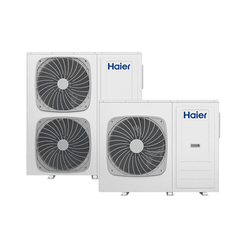

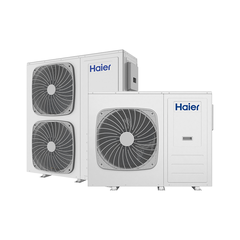
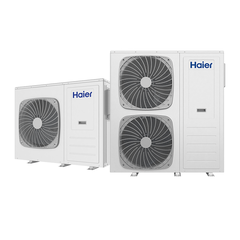

Haier : Your Trustworthy Energy Saving Heat Pump Supplier!
Our company, founded in 1984, is the world's leading home appliance manufacturer and has long been among the world's top 500 companies. Over the past 40 years, Haier has attached great importance to product quality, produced the best home appliances, continuously met consumer needs, and provided consumers with high-quality products and services.
Rich Products
We can produce air source heat pump heating equipment, high-efficiency heat pump heating machines, 8kw air source heat pumps, 10kw air source heat pumps, low noise heat pumps, smart heat pumps, etc.
Products Widely Used
The products we produce are suitable for users who renovate, or build new apartments and villas for heat conversion as well as whole-room heating and cooling. Can be installed on balconies, roofs, outdoor platforms, computer rooms, etc.
Customizable
Our products can be OEM customized and we also provide comprehensive solutions including process flow support, automation technology, service and training. And we also provide free warranty service.
Quality Assurance
The products produced by our company have passed ISO9000 and CE quality standards. And we have also passed certificates such as Fortune Global 500 and ESG International Awards.

Air Energy Heat Pump Host is a type of heat pump that utilizes the heat energy present in the ambient air to provide heating and cooling for residential, commercial, and industrial buildings. These heat pumps operate by transferring heat from the outside air (even in cold temperatures) to the inside of a building for heating purposes, and they can also work in reverse to provide cooling by removing heat from the indoor air and releasing it outside.

Air Energy Heat Pump Heating Equipment
Air energy heat pump heating equipment is a type of HVAC (heating, ventilation, and air conditioning) system that utilizes the natural heat contained in the outdoor air to provide warmth indoors, even when the temperature drops below freezing. The principle behind this technology is the thermodynamic process that allows a refrigerant to absorb heat from the environment at low temperatures and release it at a higher temperature inside a building.

High Efficiency Heat Pump Heating Machine
High Efficiency Heat Pump Heating Machines are advanced systems designed to deliver maximum thermal comfort while minimizing energy consumption. These machines operate on the principle of extracting heat from outdoor air, ground, or water sources and transferring it indoors for heating purposes. During the summer, they reverse the process to function as an air conditioner, removing heat from inside and releasing it outdoors.

An 8kW air source heat pump is a heating and cooling system capable of delivering up to 8 kilowatts of thermal power to a space. The term 'kW' refers to the rate at which the heat pump can provide heat energy to the interior of a building. In practical terms, an 8kW unit is suitable for heating a medium-sized home or space, depending on factors such as insulation quality, climate, and desired internal temperature.

A 10kW air source heat pump is a type of heating appliance designed to provide warmth to residential or commercial buildings by extracting heat energy from the outside air, even when temperatures are low. The "10kW" designation signifies the heat pump's rated thermal output capacity-it can deliver up to 10 kilowatts of heating power.

A 12kW air source heat pump (ASHP) is a heating and cooling system engineered to provide efficient heating and, in some cases, cooling to mid-sized to large residential homes, commercial spaces, or light industrial applications. The 12kW rating indicates the maximum continuous power output in kilowatts that the heat pump can deliver to a space for heating purposes.

A 14kW air source heat pump (ASHP) is a heating and cooling system designed to efficiently provide warmth to larger residential properties or commercial buildings. The 14kW figure represents the heat pump's rated thermal output capability, indicating that it can supply up to 14 kilowatts of heating power.

A 16kW air source heat pump (ASHP) is a high-capacity heating appliance that uses the warmth naturally present in the outside air to provide heating to larger residential or commercial buildings. With a thermal output capacity of 16 kilowatts, it can effectively heat spaces that require substantial heating power, such as large homes, offices, or other structures where the demand for heating is significant.

An instant heating heat pump is a type of heat pump system designed to provide immediate heating upon activation, without the need for a lengthy waiting period to reach the desired temperature. Traditional heat pumps may take some time to warm up a space, especially if the initial room temperature is low. However, an instant heating heat pump aims to overcome this by incorporating technologies and features that enable almost instantaneous heat delivery.
An Energy Saving Heat Pump is a type of heating and cooling system designed to be highly efficient in its energy use. It operates on the principle of heat transfer, extracting warmth from the outside air, ground, or water source in cooler months and reversing the process in warmer months to act as an air conditioner.
Year-Round Comfort
The Energy Saving Heat Pump provides heating and cooling to ensure your home remains comfortable no matter the season. Say goodbye to the need for separate heating and cooling systems.
Quiet Operation
The Energy Saving Heat Pump operates quietly, ensuring you enjoy a peaceful and relaxing atmosphere in your home without disturbing noise.
Prevent Allergy
Energy Saving Heat Pump Heat pumps with advanced filtration systems help improve indoor air quality by capturing and filtering out allergens, dust and pollutants.
Variable Refrigerant Flow
The Energy Saving Heat Pump allows the heat pump to adjust the amount of refrigerant flowing through the evaporator coil, optimizing performance for different heating and cooling needs.
Parts of Energy Saving Heat Pump
Evaporator Coil
The component absorbs heat from outside air, ground, or water sources. As the refrigerant in the coil evaporates, it absorbs heat.
Compressor
The compressor absorbs heat from the evaporator coil and increases the pressure and temperature of the refrigerant. This high-pressure, high-temperature gas then flows to the condenser coil.
Condenser Coil
Here, the high-temperature refrigerant releases heat. In heating mode, heat is transferred indoors, while in cooling mode, heat is exhausted outdoors. Fans help dissipate heat into the surrounding air.
Expansion Valve or Capillary Tube
This component reduces the pressure of the cooled, compressed refrigerant before it re-enters the evaporator coil. The drop in pressure causes the refrigerant to expand and cool.
Fan
During heating or cooling, fans circulate the air within a building, helping to evenly distribute conditioned air.
Thermostats and Controls
The thermostat monitors the temperature inside the building and signals the heat pump to turn on or off or adjust its operation as needed to maintain the desired temperature.
Pipeline System
If the heat pump is connected to a central heating/cooling system, ductwork carries the conditioned air to different parts of the building.
Refrigerant
The chemical that circulates in a heat pump absorbs and releases heat as it changes from a liquid state to a gas state and back again.
Blower and Filter
These components help filter and circulate air, improving indoor air quality.
Sensor
Various sensors, such as temperature and pressure sensors, monitor the operation of the system to ensure optimal efficiency and trigger necessary adjustments.
Drain Pan
Pan used to collect any condensation or leaks in the system to prevent water damage.
Accessories
Depending on the model, there may be additional features such as a defrost mechanism for colder climates, zoning capabilities for targeted heating and cooling, or integration with smart home systems for remote monitoring and control.
Working Principle of Energy Saving Heat Pump

Evaporation
Low-boiling refrigerant liquids absorb heat from the environment (air, ground, or water) at temperatures below the desired temperature. This process causes the refrigerant to evaporate and turn into vapor, absorbing heat in the process.

Compression
The evaporated refrigerant is then compressed by the compressor. When vapor is compressed, its pressure and temperature increase. This is an endothermic process, meaning it requires an input of energy, usually in the form of electrical energy.

Condensation
The hot, compressed vapor next enters a condenser, releasing the heat into the high-temperature environment the heat pump is designed to heat, such as the interior of a building. When the vapor releases heat, it condenses back into a liquid state.

Expansion
The liquid refrigerant now passes through the expansion valve or capillary tube and the pressure drops rapidly. This pressure drop causes the refrigerant to cool significantly.
High Efficiency Compressor
Advanced compressors are used to maximize the heat transfer process while minimizing energy consumption. Variable speed or variable frequency drive compressors can adjust their operation according to demand, further improving efficiency.
Insulated Pipes
Proper insulation of refrigerant lines reduces heat loss and ensures that captured energy is efficiently transferred to the heated space.
Two-Stage or Regulated Operation
Systems that operate on two levels or adjust between multiple levels can better meet the heating needs of a space and avoid unnecessary use of energy during periods of lower demand.
Advanced Refrigerants
Energy Saving Heat Pump uses refrigerants with better thermodynamic properties, which increases efficiency and reduces environmental impact.
How to Choose Energy Saving Heat Pump
Property Size and Insulation
The size and insulation of your home play a vital role in determining the size and capacity of the heat pump you need. Larger homes with poor insulation will require more powerful units to effectively maintain comfort levels.
Budget
Your budget is a key factor. While more efficient heat pumps typically come with a higher upfront cost, they can result in significant long-term savings. Consider not only your purchasing budget, but also installation and ongoing operating expenses.
Install
Proper installation is essential for optimal operation of your heat pump. Make sure you hire a qualified HVAC professional who is experienced in heat pump installations. Improper installation can result in reduced efficiency and performance.
Heating and Cooling Needs
Evaluate your specific heating and cooling requirements. Do you need both features year-round, or is heating more important in the winter? Your needs will determine the type and capacity of the heat pump.
Noise Tolerance
If you are sensitive to noise, especially in a living space near a heat pump, choose a quieter model. Modern heat pump designs include noise reduction features for quieter operation.
Maintenance Requirements
Consider your willingness and ability to perform routine maintenance. Some heat pumps may require more attention than others. Regular maintenance is essential to ensure longevity and efficiency. With our comprehensive heat pump maintenance plans, you can give your heat pump some TLC without breaking the bank.
How to Install Energy Saving Heat Pump
On-Site Assessment
Before any actual work begins, a professional installer will assess the site to determine the best location for the outdoor unit and the size of the system required based on the building's square footage and local climate conditions.
System Selection
Based on their assessment, they will select a suitable energy-saving heat pump model, taking into account factors such as efficiency rating, climate suitability and additional features.
License
It may be necessary to apply for a permit from your local government to ensure the installation complies with all building codes and safety regulations.
Outdoor Unit Installation
The heat pump outdoor unit is placed on a solid foundation. Ensure proper drainage and ventilation to prevent any water damage or airflow restrictions.
Indoor Component Installation
This includes the installation of air handlers or coils within the building. It may also involve creating ductwork if the existing system does not have one.
Refrigeration Pipeline
Refrigerant lines run from the outdoor unit to the indoor coil, make sure they are insulated to prevent heat exchange and installed securely to prevent damage.
Electrical Wiring
A professional electrician will perform the necessary electrical wiring from the dedicated circuit breaker to the outdoor unit and any indoor components that require power.
Bypass/Drain Valve Installation
A bypass or drain valve can be installed to manage the condensation produced by the heat pump.
Control System Settings
Install and configure thermostats and control systems to effectively regulate heat pump operation.
Inspection and Testing
Once all components are in place, the system goes through a series of inspections and tests to ensure everything is operating properly and safely.
Final Adjustments
Technicians will make final adjustments based on the specific needs of the building and its occupants to optimize the system's performance.
Documentation and Training
The installer provides all necessary documentation, including warranty information, operating manuals and maintenance schedules. They may also train building staff on how to use and maintain the new system.
How to Maintain Energy Saving Heat Pump


Periodic Inspection
Schedule an annual inspection with a professional technician to evaluate the condition and performance of your heat pump.
Air Filter Replacement
Replace or clean your air filter monthly to maintain proper airflow through your system and prevent air quality issues.
Plumbing System Maintenance
Make sure ductwork is well sealed and insulated to prevent heat loss. Check regularly and fix any leaks.
Refrigerant Charge Verification
Check the refrigerant charge to make sure it is not leaking and meets the manufacturer's specifications.
Condensate Drain Cleaning
Clean your condensate line or pan regularly to prevent blockages that can lead to water damage.
Evaporator and Condenser Coil Cleaning
Use a coil cleaner or soft brush to remove dust and debris from your coils to improve heat transfer efficiency.
Compressor and Fan Inspection
Make sure the compressor and fan are running smoothly and check for any unusual noises or vibrations that might indicate a problem.
Electrical Component Inspection
Check electrical connections and controls to make sure they are tight and working properly.
Thermostat Calibration
Check and calibrate your thermostat regularly to ensure accurate temperature readings and responsive control of your heat pump.
Ground Source Heat Pump
If you have a geothermal (geothermal) heat pump, inspect and maintain the ground circulation system as needed, which may involve cleaning or replacing the heat exchange fluid.
Seasonal Readiness Inspection
Before switching your heat pump to heating or cooling mode each season, have it inspected and serviced to prepare it for peak efficiency.
Follow Manufacturer's Recommendations
Always follow the manufacturer's maintenance schedule and guidelines as they are tailored to your specific heat pump model.
Certificate

Frequently Asked Questions
Q: What is an Energy Saving Heat Pump?
Q: How does an Energy Saving Heat Pump work?
Q: Are Energy Saving Heat Pumps efficient?
Q: What are the benefits of using an Energy Saving Heat Pump?
Q: How long do Energy Saving Heat Pumps last?
Q: What are the different types of Energy Saving Heat Pumps?
Q: What is the difference between an air-source and a ground-source heat pump?
Q: How much does it cost to install an Energy Saving Heat Pump?
Q: Do I need a backup heating system with my Energy Saving Heat Pump?
Q: Can I use my Energy Saving Heat Pump for hot water?
Q: How often should I maintain my Energy Saving Heat Pump?
Q: What should I look for when buying an Energy Saving Heat Pump?
Q: Are there any incentives available for purchasing an Energy Saving Heat Pump?
Q: How does an Energy Saving Heat Pump compare to a traditional furnace or boiler?
Q: Can I install an Energy Saving Heat Pump myself?
Q: What is the difference between a heat pump and an air conditioner?
Q: How does the efficiency of an Energy Saving Heat Pump compare to other heating systems?
Q: Can an Energy Saving Heat Pump be used in conjunction with solar panels?
Q: What is the noise level of an Energy Saving Heat Pump?
Q: How do I know if my Energy Saving Heat Pump is working properly?
Hot Tags: high efficiency heat pump system, China high efficiency heat pump system manufacturers, suppliers, factory, Underfloor Heating for Heat Pump, Heat Pump Hot Water Systems, New Heating Heat Pump System, Air Energy Machine, Variable Frequency Heat Pump, Variable Frequency Heat Pump System