

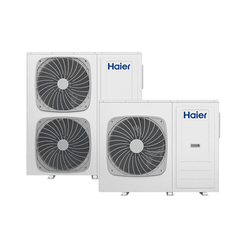

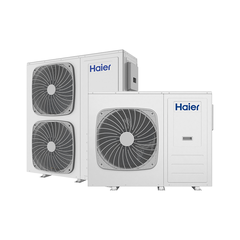
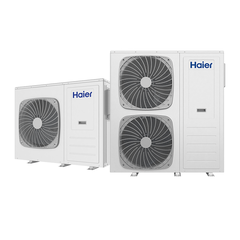

Haier : Your Trustworthy Low Noise Heat Pump Supplier!
Our company, founded in 1984, is the world's leading home appliance manufacturer and has long been among the world's top 500 companies. Over the past 40 years, Haier has attached great importance to product quality, produced the best home appliances, continuously met consumer needs, and provided consumers with high-quality products and services.
Rich Products
We can produce air source heat pump heating equipment, high-efficiency heat pump heating machines, 8kw air source heat pumps, 10kw air source heat pumps, low noise heat pumps, smart heat pumps, etc.
Products Widely Used
The products we produce are suitable for users who renovate, or build new apartments and villas for heat conversion as well as whole-room heating and cooling. Can be installed on balconies, roofs, outdoor platforms, computer rooms, etc.
Customizable
Our products can be OEM customized and we also provide comprehensive solutions including process flow support, automation technology, service and training. And we also provide free warranty service.
Quality Assurance
The products produced by our company have passed ISO9000 and CE quality standards. And we have also passed certificates such as Fortune Global 500 and ESG International Awards.

A Smart Heat Pump is an advanced version of a heat pump system that integrates smart technology features. These systems are designed to efficiently transfer heat energy from outside to inside a building to provide heating during colder months and, conversely, to extract heat from inside to cool the space during warmer months.

Air Energy Heat Pump Heating Equipment
Air energy heat pump heating equipment is a type of HVAC (heating, ventilation, and air conditioning) system that utilizes the natural heat contained in the outdoor air to provide warmth indoors, even when the temperature drops below freezing. The principle behind this technology is the thermodynamic process that allows a refrigerant to absorb heat from the environment at low temperatures and release it at a higher temperature inside a building.

High Efficiency Heat Pump Heating Machine
High Efficiency Heat Pump Heating Machines are advanced systems designed to deliver maximum thermal comfort while minimizing energy consumption. These machines operate on the principle of extracting heat from outdoor air, ground, or water sources and transferring it indoors for heating purposes. During the summer, they reverse the process to function as an air conditioner, removing heat from inside and releasing it outdoors.

An 8kW air source heat pump is a heating and cooling system capable of delivering up to 8 kilowatts of thermal power to a space. The term 'kW' refers to the rate at which the heat pump can provide heat energy to the interior of a building. In practical terms, an 8kW unit is suitable for heating a medium-sized home or space, depending on factors such as insulation quality, climate, and desired internal temperature.

A 10kW air source heat pump is a type of heating appliance designed to provide warmth to residential or commercial buildings by extracting heat energy from the outside air, even when temperatures are low. The "10kW" designation signifies the heat pump's rated thermal output capacity-it can deliver up to 10 kilowatts of heating power.

A 12kW air source heat pump (ASHP) is a heating and cooling system engineered to provide efficient heating and, in some cases, cooling to mid-sized to large residential homes, commercial spaces, or light industrial applications. The 12kW rating indicates the maximum continuous power output in kilowatts that the heat pump can deliver to a space for heating purposes.

A 14kW air source heat pump (ASHP) is a heating and cooling system designed to efficiently provide warmth to larger residential properties or commercial buildings. The 14kW figure represents the heat pump's rated thermal output capability, indicating that it can supply up to 14 kilowatts of heating power.

A 16kW air source heat pump (ASHP) is a high-capacity heating appliance that uses the warmth naturally present in the outside air to provide heating to larger residential or commercial buildings. With a thermal output capacity of 16 kilowatts, it can effectively heat spaces that require substantial heating power, such as large homes, offices, or other structures where the demand for heating is significant.

An instant heating heat pump is a type of heat pump system designed to provide immediate heating upon activation, without the need for a lengthy waiting period to reach the desired temperature. Traditional heat pumps may take some time to warm up a space, especially if the initial room temperature is low. However, an instant heating heat pump aims to overcome this by incorporating technologies and features that enable almost instantaneous heat delivery.
A low noise heat pump is an HVAC (heating, ventilation, and air conditioning) system that operates with minimal sound emissions. This characteristic is particularly important in residential areas, urban settings, or any environment where noise pollution is a concern.
Energy Efficiency
One of the main advantages of the Low Noise Heat Pump is its energy efficiency during the cold season (mainly when the outside temperature is 40-60 degrees). Unlike traditional furnaces that burn natural gas or oil to create heat, the Low Noise Heat Pump uses only electricity and refrigerant to transfer heat from the outdoors to the indoors for heating. This process makes the Low Noise Heat Pump efficient and environmentally friendly, potentially lowering monthly energy costs.
Versatility
The Low Noise Heat Pump provides heating and cooling and is a home solution for year-round comfort in certain climates. Heat pumps can often eliminate the need for separate heating and cooling systems during the cold winter months, allowing homeowners to take full advantage of a heat pump's efficiency and cost-effectiveness.
Improve Dehumidification Function
The Low Noise Heat Pump outperforms traditional central air conditioners in dehumidifying the air, improving comfort and reducing energy bills.
Optimized Fan Design
Low Noise Heat Pump optimizes the shape and size of the fan to reduce air turbulence and noise during operation. Some designs may include a shroud or diffuser around the fan to quietly direct airflow.
Types of Low Noise Heat Pump
Integral Heat Pump
Integral heat pumps are self-contained units that combine all major components into a compact outdoor unit. Due to advances in compressor and fan technology, they are designed to be quieter than traditional split systems.
Split Heat Pump
In a split system, the indoor and outdoor units are separate. This setup allows for better noise control because the outdoor unit can be located away from the living space and equipped with additional noise reduction measures.
Inverter Driven Heat Pump
Inverter-driven heat pumps use variable frequency drives to regulate the operation of the compressor and fan. This not only reduces noise but also improves energy efficiency.
Water-to-Water Heat Pump
Water-to-water heat pumps use water as the heat transfer medium instead of refrigerant. They can be quieter due to the nature of the fluid dynamics involved.
Geothermal Heat Pump
Geothermal heat pumps Also known as ground source heat pumps, these systems extract heat from the ground, which is typically cool in the summer and warm in the winter. Their external components are buried underground and are much quieter than air-to-air heat pumps.
Fan Coil Heat Pump
Fan coil heat pumps can be integrated into a building's ventilation system. They are generally quieter because they are contained within the structure of the building and can be designed with noise reduction features.
Parts of Low Noise Heat Pump

Evaporator Coil
The evaporator coil is responsible for absorbing heat into the refrigerant as it evaporates from liquid to gas. It acts as a heat collection point, collecting thermal energy and transferring it elsewhere through the system. In heating mode, the evaporator coil is located outdoors; in cooling mode, it is located indoors.

Compressor
The compressor is the "pump" in a heat pump system. It pressurizes the refrigerant gas after it leaves the evaporator coil, thereby increasing its temperature. This allows the refrigerant to release heat energy when it reaches the condenser coil. The compressor is powered by an electric motor and is the primary energy user in the system.

Condenser Coil
As the evaporator coil collects heat energy, the condenser coil releases heat energy. As hot pressurized refrigerant passes through the condenser coil, it condenses back into a liquid state, dissipating heat in the process. In heating mode, the indoor condenser coil distributes heat into the home; in cooling mode, the outdoor condenser releases heat to the outside environment.

Expansion Valve
The expansion valve is responsible for reducing the pressure of liquid refrigerant after it leaves the condenser coil. By regulating the flow of refrigerant back to the evaporator, it allows the refrigerant to evaporate and start absorbing heat energy again. This repetitive cycle is what drives the heat transfer process.
Evaporator
Inside the heat pump, the refrigerant absorbs heat from a low-temperature environment (usually the outside air in an air-source heat pump). When liquid refrigerant evaporates into a gas, it absorbs heat from the environment. To reduce noise here, heat pumps can use insulating and damping tubes.
Compressor
The gas then enters the compressor, where the pressure and temperature increase. This component usually creates the most noise due to the mechanical work involved. In a low-noise heat pump, the compressor can be a variable-speed model that runs quieter under part-load conditions, or it can be encased in soundproofing material or placed in a separate soundproof chamber.
Condenser
The now hot gas enters the condenser, releasing heat that is used to heat the building. During this process, the gas condenses back into a liquid. Condensers are typically designed to reduce noise, using larger fins and tubes to operate at lower airspeeds, thereby reducing fan noise.
Expansion Valve
Liquid refrigerant returns from the condenser to the evaporator through the expansion valve, causing a drop in pressure and temperature, ready to absorb heat again. This component is typically very quiet because it relies on pressure differentials rather than moving parts.
Fan
Fans are used to circulate air over the evaporator and condenser coils. In low-noise models, these fans can operate at variable speeds and feature an aerodynamic design to minimize turbulence and noise.
Enclosures
In addition to the inherent design of the heat pump components, many low-noise heat pumps are housed in acoustic enclosures that absorb or deflect sound waves, thereby reducing the noise emitted by the unit.
How to Choose Low Noise Heat Pump
Noise Level Specifications
Find the decibel (dB) rating of your heat pump. Manufacturers typically provide these values for indoor and outdoor equipment. A general rule of thumb is that every 10 dB decrease represents a sound intensity cut in half.
Installation Location
Consider where the heat pump will be installed. Noise issues become more significant if located closer to living areas. Make sure the noise level of the chosen model is appropriate for its intended location.
Heat Pump Type
Different types of heat pumps have different noise profiles. For example, geothermal heat pumps tend to be quieter because they don't rely on fans to pull in large amounts of air. Evaluate the different types to see which one best suits your low-noise operating needs.
Dimensions and Capacities
Choose a heat pump that fits the dimensions of your space. Oversized units may cycle on and off more frequently, resulting in increased noise and reduced efficiency.
Energy Efficiency
Choose high-efficiency models, as these often feature technology that also reduces noise levels, such as variable-speed compressors and inverters.
Sound Attenuation Function
Check to see if the heat pump contains features specifically designed to reduce noise, such as casings, mufflers, or specially designed fan blades.
Maintenance and Service
Consider ease of heat pump maintenance and service. Regular maintenance is essential to extend service life and can affect noise levels, especially if maintenance involves cleaning noise-producing parts.
How to Install Low Noise Heat Pump


On-Site Assessment
Conduct a thorough assessment of the installation site. Consider the distance between the heat pump and living areas, the layout of the property and any existing noise sources. Determine the best locations for indoor and outdoor equipment to minimize noise transmission.
Licensing and Compliance
Check local building codes and obtain necessary permits. Make sure the installation complies with all regulations regarding noise levels and equipment placement.
Basic Preparation
Prepare a solid foundation for the outdoor unit. This may involve constructing concrete slabs or using vibration-damping materials to reduce the transmission of noise to the ground.
Refrigerant Lines and Wires
Route refrigerant lines and wires from the outdoor unit to the indoor unit. Insulate these lines to prevent the spread of noise and maintain efficiency. Ensure line operation meets safety standards.
Indoor Air Distribution
Install one or more indoor air distribution devices. Placing them throughout the space provides even airflow without drafts or noise.
Outdoor Unit Installation
Install the outdoor unit securely on the foundation. Make sure it is level and stable to prevent vibration and noise. Install any additional soundproofing accessories, such as acoustic enclosures or barriers.
System Debugging
Perform detailed debugging procedures to check the functionality of the system. This includes checking refrigerant levels, ensuring proper airflow, calibrating controls, and testing the heat pump in different operating modes.
Performance Testing
Conduct a noise level test to verify that the heat pump is operating within acceptable decibel limits. Test from different distances and angles around the outdoor unit to account for potential noise propagation paths.
User Training
Train end users on how to operate heat pump systems efficiently and safely. Provide them with information on maintaining systems to keep noise levels low.
Track and Maintain
Schedule regular maintenance visits to inspect and maintain your heat pump. Regular maintenance can help prevent problems that could lead to increased noise levels.
How to Use Low Noise Heat Pump
Default Setting
Make sure the heat pump is installed by a professional who will configure it to the specifications of your home or building. They will set up indoor and outdoor equipment and program thermostats.
Program the Thermostat
Program your thermostat to reflect your heating and cooling preferences. Set the desired temperature for different times of the day or week. Modern thermostats often come with smart technology that allows you to control your heat pump remotely via a smartphone app.
Operating Mode
Familiarize yourself with the different operating modes of your heat pump. Most systems have options for cooling, heating, dehumidification, and fan-only operation. Adjust these settings as needed based on the weather and your comfort level.
Maintain Temperature Consistency
Keep doors and windows closed while the heat pump is running to keep temperatures consistent and reduce energy waste.
Monitor Performance
Regularly check the performance of your heat pump, observe indoor temperatures and listen for any unusual noises. If you notice a significant decrease in efficiency or an increase in noise, contact a professional for repairs
Regular Maintenance
Follow the manufacturer's recommended maintenance schedule. Professional technicians can perform tasks such as cleaning the outdoor unit, checking refrigerant levels, and ensuring all components are functioning properly.
Energy Efficiency
To maximize efficiency and reduce energy costs, use energy-saving features such as the Eco Mode setting that adjusts compressor speed based on current cooling or heating needs.
Troubleshoot Minor Issues
Learn common troubleshooting tips for minor issues, such as resetting your system or cleaning filters to improve airflow if it unexpectedly stops working.
Clear Debris From In and Around Your Unit
Usually, this step is only for outside units. Over time, spider webs, leaves, twigs, or debris can accumulate around your heat pump.Now and then, you'll want to remove debris and clear away spider webs. Both can block the airflow, which puts more strain on the fan.
Clean the Evaporator and Condenser Coils
There are two separate coils: an evaporator and a condenser. Over time, dust accumulates on them, and they don't function as well, which strains other parts of your heat pump.To clean the heat pump, find the model in your user manual or search online for diagrams.
Certificate

Frequently Asked Questions
Q: What is a low noise heat pump?
Q: How does a low noise heat pump work?
Q: Are low noise heat pumps more efficient than traditional heating systems?
Q: Can low noise heat pumps cool as well as heat?
Q: Where should I install my low noise heat pump?
Q: How quiet are low noise heat pumps compared to standard ones?
Q: Do low noise heat pumps require regular maintenance?
Q: How much does a low noise heat pump cost compared to a standard heat pump?
Q: What is the lifespan of a low noise heat pump?
Q: Can I install a low noise heat pump myself?
Q: How do I know if a heat pump is truly low noise?
Q: What affects the noise levels of a low noise heat pump?
Q: Can a low noise heat pump be used in urban environments?
Q: Does a low noise heat pump need a backup heating system?
Q: How do I measure the noise level of my heat pump?
Q: Are there any government incentives for installing low noise heat pumps?
Q: What is the environmental impact of low noise heat pumps?
Q: Can a low noise heat pump be integrated with solar panels?
Q: Is there a difference in noise level between a heat pump running and off?
Q: How do I troubleshoot a noisy low noise heat pump?
Hot Tags: smart heat pump, China smart heat pump manufacturers, suppliers, factory, 16kw Air Source Heat Pump, High Efficiency Heat Pump System, Ultra High Efficiency Heat Pump, Whole House Hot Water Heat Pump, Air Energy Heating Machine, Smart Heat Pump for Haier