

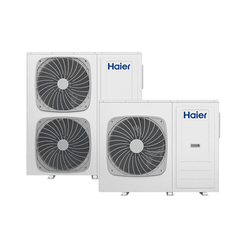

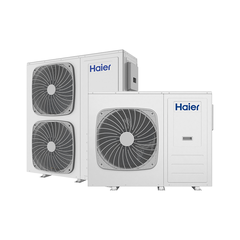
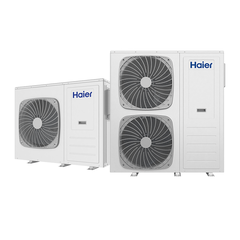

Haier : Your Trustworthy Smart Heat Pump Supplier!
Our company, founded in 1984, is the world's leading home appliance manufacturer and has long been among the world's top 500 companies. Over the past 40 years, Haier has attached great importance to product quality, produced the best home appliances, continuously met consumer needs, and provided consumers with high-quality products and services.
Rich Products
We can produce air source heat pump heating equipment, high-efficiency heat pump heating machines, 8kw air source heat pumps, 10kw air source heat pumps, low noise heat pumps, smart heat pumps, etc.
Products Widely Used
The products we produce are suitable for users who renovate or build new apartments and villas for heat conversion as well as whole-room heating and cooling. Can be installed on balconies, roofs, outdoor platforms, computer rooms, etc.
Customizable
Our products can be OEM customized and we also provide comprehensive solutions including process flow support, automation technology, service and training. And we also provide free warranty service.
Quality Assurance
The products produced by our company have passed ISO9000 and CE quality standards. And we have also passed certificates such as Fortune Global 500 and ESG International Awards.

Air Energy Heat Pump Host is a type of heat pump that utilizes the heat energy present in the ambient air to provide heating and cooling for residential, commercial, and industrial buildings. These heat pumps operate by transferring heat from the outside air (even in cold temperatures) to the inside of a building for heating purposes, and they can also work in reverse to provide cooling by removing heat from the indoor air and releasing it outside.

Air Energy Heat Pump Heating Equipment
Air energy heat pump heating equipment is a type of HVAC (heating, ventilation, and air conditioning) system that utilizes the natural heat contained in the outdoor air to provide warmth indoors, even when the temperature drops below freezing. The principle behind this technology is the thermodynamic process that allows a refrigerant to absorb heat from the environment at low temperatures and release it at a higher temperature inside a building.

High Efficiency Heat Pump Heating Machine
High Efficiency Heat Pump Heating Machines are advanced systems designed to deliver maximum thermal comfort while minimizing energy consumption. These machines operate on the principle of extracting heat from outdoor air, ground, or water sources and transferring it indoors for heating purposes. During the summer, they reverse the process to function as an air conditioner, removing heat from inside and releasing it outdoors.

An 8kW air source heat pump is a heating and cooling system capable of delivering up to 8 kilowatts of thermal power to a space. The term 'kW' refers to the rate at which the heat pump can provide heat energy to the interior of a building. In practical terms, an 8kW unit is suitable for heating a medium-sized home or space, depending on factors such as insulation quality, climate, and desired internal temperature.

A 10kW air source heat pump is a type of heating appliance designed to provide warmth to residential or commercial buildings by extracting heat energy from the outside air, even when temperatures are low. The "10kW" designation signifies the heat pump's rated thermal output capacity-it can deliver up to 10 kilowatts of heating power.

A 12kW air source heat pump (ASHP) is a heating and cooling system engineered to provide efficient heating and, in some cases, cooling to mid-sized to large residential homes, commercial spaces, or light industrial applications. The 12kW rating indicates the maximum continuous power output in kilowatts that the heat pump can deliver to a space for heating purposes.

A 14kW air source heat pump (ASHP) is a heating and cooling system designed to efficiently provide warmth to larger residential properties or commercial buildings. The 14kW figure represents the heat pump's rated thermal output capability, indicating that it can supply up to 14 kilowatts of heating power.

A 16kW air source heat pump (ASHP) is a high-capacity heating appliance that uses the warmth naturally present in the outside air to provide heating to larger residential or commercial buildings. With a thermal output capacity of 16 kilowatts, it can effectively heat spaces that require substantial heating power, such as large homes, offices, or other structures where the demand for heating is significant.

An instant heating heat pump is a type of heat pump system designed to provide immediate heating upon activation, without the need for a lengthy waiting period to reach the desired temperature. Traditional heat pumps may take some time to warm up a space, especially if the initial room temperature is low. However, an instant heating heat pump aims to overcome this by incorporating technologies and features that enable almost instantaneous heat delivery.
A smart heat pump is an advanced heating and cooling system that combines with modern smart home technology to increase efficiency, comfort and control. These heat pumps come with Wi-Fi connectivity and can be connected or controlled via a smartphone app or tablet.
With Variable Speed/Two Speed Motor
The Smart Heat Pump connects to the heat pump's fan to maintain airflow at a consistent speed throughout the house. It ensures your home is always heated with less cold air and cooled with fewer heat waves. Keeping indoor spaces consistently cool or warm also ensures that your system doesn't waste electricity. Variable speed/two speed motors will help keep your heat pump system energy efficient.
Improve Energy Efficiency
Another efficient feature of the Smart Heat Pump is the desuperheater-equipped model. It is an auxiliary heat exchange component that uses excess heat generated by the heat pump system to heat water. This feature turns your heat pump into an HVAC system and water heater system, making your home more energy efficient.
Less Noise
The scroll compressors in Smart Heat Pump make heat pump systems more efficient. This is because scroll compressors are an improvement over standard piston compressors, have a longer lifespan and produce less noise while operating.
Refrigerant Cycle
Smart Heat Pump uses refrigerant that circulates through the system to absorb heat from the outdoor air (cooling mode) or the ground (geothermal heat pump) and release it into the room (heating mode).

Evaporator Coil
The evaporator coil is responsible for absorbing heat into the refrigerant as it evaporates from liquid to gas. It acts as a heat collection point, collecting thermal energy and transferring it elsewhere through the system. In heating mode, the evaporator coil is located outdoors; in cooling mode, it is located indoors.
Compressor
The compressor is the "pump" in a heat pump system. It pressurizes the refrigerant gas after it leaves the evaporator coil, thereby increasing its temperature. This allows the refrigerant to release heat energy when it reaches the condenser coil. The compressor is powered by an electric motor and is the primary energy user in the system.
Condenser Coil
As the evaporator coil collects heat energy, the condenser coil releases heat energy. As hot pressurized refrigerant passes through the condenser coil, it condenses back into a liquid state, dissipating heat in the process. In heating mode, the indoor condenser coil distributes heat into the home; in cooling mode, the outdoor condenser releases heat to the outside environment.
Expansion Valve
The expansion valve is responsible for reducing the pressure of liquid refrigerant after it leaves the condenser coil. By regulating the flow of refrigerant back to the evaporator, it allows the refrigerant to evaporate and start absorbing heat energy again. This repetitive cycle is what drives the heat transfer process.
Working Principle of Smart Heat Pump
Refrigerant Cycle
At the heart of a heat pump is the refrigerant cycle, which involves four main components: the compressor, condenser, expansion valve (or capillary tube), and evaporator. The refrigerant undergoes a phase change as it flows through these components, absorbing heat from the outside air in the evaporator and releasing it to the indoor environment in the condenser.
Heating Mode
In heating mode, the compressor increases the pressure of the refrigerant, causing it to heat up. The hot gas then passes through a condenser, releasing heat into the indoor space while changing back into a liquid state. After passing through the expansion valve, the refrigerant enters the evaporator at a lower pressure. As it absorbs heat from the outside air, it evaporates and becomes a gas again, which is then compressed by a compressor, and the cycle continues.
DCooling Mode
In cooling mode, the cycle is reversed. The refrigerant absorbs heat from the room in the evaporator, evaporates and cools down. It then moves to the condenser where it releases the heat to the outside while condensing into liquid form. The process continues with the refrigerant passing through the expansion valve and back to the evaporator.
Intelligent Control
Smart heat pumps are equipped with sensors and controllers that allow them to be monitored and adjusted via Wi-Fi or other communication protocols. This means users can remotely change settings, set schedules, receive notifications and even adjust the system's response based on occupancy, weather forecasts and energy prices.
Energy Efficiency
Smart heat pumps can optimize their operation based on real-time data and predictive algorithms, ensuring they operate efficiently and respond dynamically to changing conditions. For example, if the outside temperature drops significantly overnight, a smart heat pump can preheat a home before residents wake up, reducing energy usage compared to a standard system that heats the home from scratch.
Integrate With Smart Home Systems
By integrating with other smart home devices and platforms, smart heat pumps can participate in demand response programs, contribute to home energy management, and work in conjunction with solar panels or battery storage systems to maximize the use of renewable energy sources.
How to Choose Smart Heat Pump
Performance Specifications
Check the heat pump's heating coefficient of performance (COP) and cooling seasonal energy efficiency ratio (SEER). These indicators indicate how efficiently a unit converts energy into heating or cooling.
Climate Adaptability
Choose a model that suits your climate. Some heat pumps perform better in milder climates, while others are designed for colder regions with built-in defrost cycles or supplemental heating options.
Dimensions and Capacities
Evaluate the heat pump's capacity (in tons or kilowatts) to match the cooling and heating loads of your space. Oversizing or undersizing equipment can lead to reduced efficiency and comfort issues.
Refrigerant Type
Refrigerant affects the environmental impact and efficiency of a heat pump. Consider using newer, greener refrigerants with lower global warming potential (GWP).
Integrated Intelligence
Look for advanced controls and automation, including the ability to remotely monitor and regulate heat pumps, integrate with smart home ecosystems, and respond to weather patterns or occupancy levels.
Installation and Serviceability
Make sure the heat pump is compatible with existing systems and that spare parts and service are readily available from reputable suppliers.
Energy Efficiency and Certification
Choose appliances with certifications like Energy Star, which shows they meet certain energy efficiency standards. Additionally, consider units with high efficiency ratings that will save you money on utility bills over time.
Partition Compatibility
If zoning is important to your space, choose a heat pump that is compatible with a zoning system, which allows for separate temperature control in different zones.
Warranty
Review the warranty terms, including labor and parts coverage. A longer warranty generally reflects the manufacturer's confidence in the reliability and durability of its product.
Cost-Benefit Analysis
Perform a cost-benefit analysis that considers initial investment, life expectancy, maintenance costs, and potential savings from increased efficiency.
Brand Reputation and Support
Choose a brand with a reputation for reliability and responsive customer support.
Regulations and Standards
Be aware of any local regulations or building codes that may affect heat pump selection and installation.
Consult With a Professional
Consult with an engineer and HVAC professional to discuss your specific requirements and ensure the selected heat pump meets all technical specifications and performance goals.
How to Install Smart Heat Pump


Site Assessment
Before installation, a professional will assess the site to determine the best location for the heat pump and any necessary modifications to the electrical supply or ductwork. They will also evaluate the space's cooling and heating requirements to select the appropriate size and type of heat pump.
System Selection and Planning
Based on the assessment, the HVAC technician will choose the appropriate heat pump model, taking into consideration factors such as climate zone, space size, and desired smart features. A plan will be developed for the installation process.
Electrical and Mechanical Preparation
The technician will prepare the electrical infrastructure to handle the power requirements of the heat pump. This may involve upgrading the service panel or installing a new circuit. They will also prepare the mechanical systems, such as ductwork, if needed.
Heat Pump Installation
The heat pump unit is then physically installed in its predetermined location. This includes securing the outdoor condenser and connecting it to the indoor evaporator coil with the appropriate refrigerant lines.
Electrical Connections
The technician will connect the heat pump to the electrical supply and install a disconnect switch for safety. They will also connect the thermostat wires to enable communication between the heat pump and the thermostat.
System Charging
The heat pump's refrigerant is charged to the correct level to ensure optimal performance. The technician will check the pressure and charge according to the manufacturer's specifications.
System Testing and Commissioning
The system is tested to ensure all components are functioning correctly. This includes testing the heating and cooling modes, checking the operation of the smart features, and ensuring proper airflow through the ductwork.
Final Adjustments and Cleanup
Final adjustments are made to optimize the system's performance. Any protective covers or insulation are installed, and the work area is cleaned up.
Training and Handover
The homeowner is trained on how to operate the heat pump and its smart features. The technician will provide documentation, including warranty information, operation manuals, and maintenance schedules.
Follow-Up
After the installation, a follow-up visit may be scheduled to ensure the heat pump continues to operate efficiently and to address any questions or concerns the homeowner may have.
Understanding Smart Heat Pump
Smart Heat Pump is designed to transfer heat rather than generate it. They work similarly to air conditioning units but can also provide heating. In heating mode, they draw heat from the outside air (even when it's cold) and pump it into your home. In cooling mode, they remove heat from inside your home and release it outside.
Installation
Before using a Smart Heat Pump, it must be properly installed by a professional. The installation will involve positioning the outdoor unit and connecting it to the indoor unit (which may be a furnace, air handler, or wall-mounted cassette). The professional will also ensure that the refrigerant lines, electrical connections, and any ductwork are correctly configured.
Initial Setup
Once installed, you will need to set up the thermostat. This usually involves setting your desired temperature and programming the thermostat for different times of the day. Some heat pumps have a reversing valve that allows them to switch between heating and cooling modes automatically based on the temperature inside your home.
Operation
To operate your Smart Heat Pump, simply adjust the thermostat to your desired temperature. The heat pump will then cycle on and off as needed to maintain that temperature. During the winter, the heat pump will run in heating mode. During the summer, it will run in cooling mode.
Maintenance
Regular maintenance is crucial for the optimal performance of your Smart Heat Pump. This typically includes cleaning or replacing filters, inspecting the outdoor unit for debris or damage, and checking all electrical connections. Professional maintenance visits are recommended at least once a year.
Monitoring
Keep an eye on your heat pump's operation. If you notice any unusual noises, lack of heating or cooling, or if the outdoor unit is not running, this could indicate a problem that needs to be addressed.
Troubleshooting
If you encounter issues with your heat pump, consult the owner's manual for troubleshooting tips. Common problems may include dirty filters, low refrigerant levels, or electrical issues. If the issue persists, it's best to contact a professional technician.
Energy Efficiency
To save on energy costs, consider investing in a high-efficiency heat pump, programmable thermostat, and proper insulation for your home. These measures can help your heat pump operate more efficiently, saving you money on utility bills.
How to Maintain Smart Heat Pump
Change Filters
Replace or clean the air filter monthly to maintain airflow and prevent dust and dirt from entering the system.
Check Refrigerant Levels
Ensure the refrigerant levels are correct. Low refrigerant can lead to reduced efficiency and costly repairs.
Inspect Outdoor Unit
Regularly clean the outdoor unit to remove debris, leaves, or other objects that may block airflow. Inspect for any signs of wear or damage.
Drain Condensate Water
Make sure the condensate line is clear and drains properly to avoid water damage or leaks.
Check Electrical Connections
Ensure all electrical connections are tight and secure. Loose connections can cause power issues and affect the heat pump's operation.
Insulate Piping
Properly insulate all pipes to prevent freezing during colder months.
Certificate

Frequently Asked Questions
Q: What is a Smart Heat Pump?
Q: How does a Smart Heat Pump work?
Q: Are Smart Heat Pumps energy-efficient?
Q: Can Smart Heat Pumps provide both heating and cooling?
Q: How long do Smart Heat Pumps typically last?
Q: Do Smart Heat Pumps require professional installation?
Q: What are the benefits of using a Smart Heat Pump?
Q: Can Smart Heat Pumps be controlled via smartphone?
Q: Do Smart Heat Pumps need routine maintenance?
Q: How often should I replace the air filter in my Smart Heat Pump?
Q: What should I do if my Smart Heat Pump stops working?
Q: Can Smart Heat Pumps be used in very cold climates?
Q: How much does it cost to install a Smart Heat Pump?
Q: Can a Smart Heat Pump save me money on my energy bills?
Q: Are there any incentives or rebates for purchasing a Smart Heat Pump?
Q: Does a Smart Heat Pump need its own circuit breaker?
Q: How do I know if a Smart Heat Pump is suitable for my home?
Q: Can I pair my Smart Heat Pump with solar panels?
Q: Should I turn off my Smart Heat Pump when I go on vacation?
Q: How do I choose the right Smart Heat Pump for my needs?
Hot Tags: low noise heat pump, China low noise heat pump manufacturers, suppliers, factory, Low Noise Heat Pump for Haier, Zero Pollution Heat Pump, 8kw Air Source Heat Pump, Central Heat Heat Pump, Most Efficient Ashp, Quietest Air Source Heat Pump