

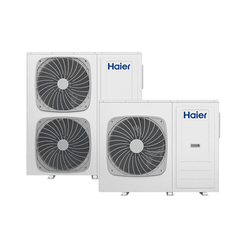

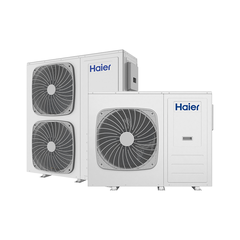
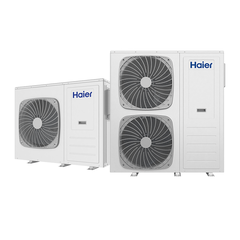
With the global emphasis on reducing carbon emissions and promoting the use of renewable energy, R290 air source heat pump, as an efficient and environmentally friendly heating technology, is receiving more and more attention in the European market. In order to promote the adoption of heat pump technology, European governments have introduced subsidy policies to reduce consumers' initial investment costs and accelerate the transition to green energy.
In Germany, the government provides additional subsidies for heat pump products using natural refrigerants through federal fund support measures. The policy specifically states that heat pump products filled with natural working fluids such as R290 can receive an additional 5% subsidy, which shows the German government's clear support for environmentally friendly heat pump technology. In addition, the German government also plans to gradually increase the energy efficiency standards for heat pumps that receive subsidies. It is expected that by 2024, the subsidy threshold will be raised to a COP value of 3.0.
The 2050 Net Zero Strategy released by the British government also emphasizes the important role of heat pumps in decarbonizing building heating. The strategy sets out a target of no more new gas boilers being sold by 2035 and predicts that around 13 million homes will have low-carbon heating options by 2035, of which 7 million will use heat pumps. This move by the UK government is expected to significantly boost the growth of the heat pump market.
France is one of the important countries in the European heat pump market. Although the specific subsidy policy is not explicitly mentioned in the search results, it is foreseeable that as part of promoting the energy transition, France may also adopt similar incentives to promote the popularity of heat pumps.
In addition to policy subsidies, the environmentally friendly features of the R290 air source heat pump are also an important reason why it is favored in the European market. As a natural refrigerant, R290 has no destructive effect on the ozone layer and has extremely low global warming potential (GWP). It meets the strict requirements of the European market for environmentally friendly refrigerants.
However, despite the broad market prospects, the promotion of R290 air source heat pumps still faces some challenges. For example, the initial investment cost of a heat pump is relatively high, and the installation process is complicated, requiring professional technicians to install and maintain. In addition, energy prices and electricity price policies in different regions will also affect the economics of heat pumps.
Overall, the demand for heat pumps in the European market is strong, especially driven by the policies of Germany, the United Kingdom and other countries. R290 air source heat pumps are expected to usher in a faster development period. With the advancement of technology and reduction of costs, it is expected that R290 air source heat pumps will be more widely used in Europe and even the world in the future.
As part of Europe's energy transition, R290 air source heat pump is gradually becoming the new favorite in the heating market. With strong support from government subsidy policies, this technology is expected to achieve rapid growth in the next few years and make a positive contribution to achieving the global carbon neutrality goal.