

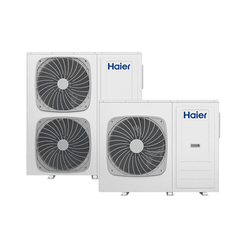

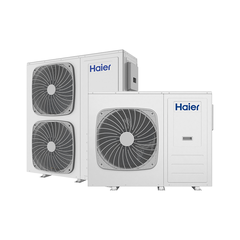
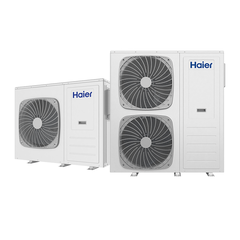
Heat pumps operate on a simple yet ingenious principle, transferring heat from one location to another using a refrigeration cycle. Whether it's extracting warmth from the air, ground, or water, these systems provide reliable heating while consuming minimal energy. With advancements in technology, modern heat pumps have become increasingly efficient, making them a viable alternative to traditional heating methods.
The field of heat pump technology is constantly evolving, driven by innovation and a commitment to sustainability. Recent developments have focused on enhancing efficiency, optimizing performance, and expanding applicability across diverse settings.
One notable innovation is the integration of variable-speed compressors, which allow heat pumps to adjust their output according to real-time demand. By operating at varying capacities, these compressors minimize energy consumption while maintaining optimal comfort levels, resulting in significant cost savings for consumers.
With the advent of smart technology, heat pumps now offer advanced control options and connectivity features. From remote monitoring and scheduling to integration with home automation systems, these capabilities provide users with greater flexibility and control over their heating systems, improving convenience and efficiency.
Central to the appeal of heat pumps is their minimal environmental footprint compared to traditional heating methods. By utilizing renewable energy sources and operating with high efficiency, heat pumps contribute to reducing greenhouse gas emissions and mitigating climate change.
While the benefits of heat pumps are evident, certain challenges and considerations warrant attention. From upfront costs to installation requirements and compatibility issues, addressing these factors is essential to maximizing the effectiveness and adoption of heat pump technology.
One of the primary considerations for consumers is the initial investment required for purchasing and installing a heat pump. While upfront costs may be higher compared to conventional heating systems, the long-term savings in energy bills and maintenance expenses often outweigh the initial investment, resulting in a favorable return on investment over time.
In conclusion, heat pumps represent a pivotal advancement in sustainable heating technology, offering efficiency, reliability, and environmental responsibility. As innovations continue to drive the industry forward and awareness of environmental issues grows, heat pumps are poised to play a crucial role in shaping the future of heating and cooling systems worldwide. By embracing these technologies and investing in sustainable solutions, we can create a cleaner, greener future for generations to come.