

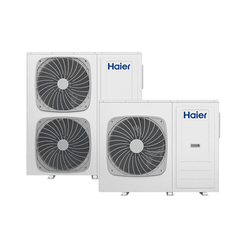

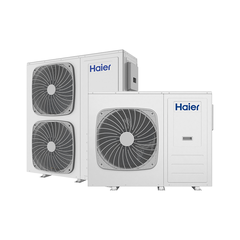
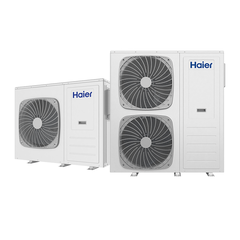
A ground source heat pump is a high-efficiency, energy-saving air conditioning equipment that utilizes shallow geothermal resources (also known as ground energy, including underground water, soil or surface water, etc.) to provide both heating and cooling. Ground source heat pumps transfer a small amount of high-grade energy (such as electricity) from low-temperature heat energy to high-temperature heat energy. Ground energy is used as a heat source for heat pump heating in winter and a cold source for cooling in summer. That is, in winter, the heat in the ground energy is taken out, the temperature is raised, and then supplied for indoor heating; in summer, the indoor heat is taken out and released to The ground can go in. Usually a ground source heat pump consumes 1kWh of energy, and users can get more than 4kWh of heat or cooling.
High temperature air energy heat pump
Literally understood, high-temperature air source heat pumps refer to heat pumps whose heating water temperature is higher than 60°C (i.e.: high-temperature hot water) or whose air outlet temperature can reach above 80°C (i.e.: high-temperature drying heat pump). Compared with conventional heat pumps that are popular on the market today, the temperature of conventional hot water is generally below 55°C. The new generation of high-temperature air energy heat pumps can produce high-temperature hot water up to about 85°C, and can be used for electroplating, pasteurization, Slaughtering, glass cleaning, printing and dyeing and other industries.
working principle
The working principle of high-temperature air energy heat pump is: using the principle of reverse Carnot cycle, it obtains low-temperature heat source through natural energy (air heat storage), and becomes a high-temperature heat source after efficient heat collection and integration by the system, which is used to obtain (supply) heating, drying or supply heat. water.
advantage
The four major advantages of high-temperature air-source heat pumps: First, energy saving, which is conducive to the comprehensive utilization of energy. High-temperature air-source heat pumps absorb low-temperature heat energy in the air and convert it into high-temperature heat energy after compression by the compressor. Its energy-saving effect is quite significant. ; Second, it is conducive to environmental protection; third, it combines hot and cold, high equipment application rate, saving investment; fourth, because it is electric drive, it is more convenient to control. Compared with electric boilers, it can save more than 50% of electricity consumption and reduce the trouble of frequent replacement of electric heating tubes; compared with traditional coal boilers and oil-fired boilers, it is pollution-free, emission-free and safe, eliminating the need for annual routine security inspections. It eliminates the need for professional boiler workers, fully automatic temperature control, and significantly reduces operating costs by more than 50%. High-temperature heat pumps are heat pumps that can meet the heating and cooling needs of certain special areas. Generally speaking, high-temperature air energy heat pumps use specialized heat pump compressors, special refrigerants and systems.