

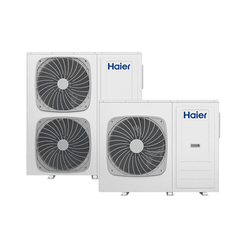

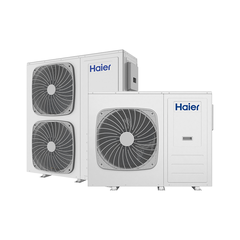
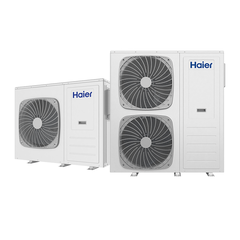
Air source heat pumps (ASHPs) are rapidly gaining attention as a sustainable and energy-efficient solution for heating and cooling, especially with the push towards decarbonizing the heating sector . These systems work by transferring thermal energy from the air to provide heating, and can also cool by reversing the process. Here's an overview of the industry knowledge, trends, and benefits associated with ASHPs:
Industry Overview and Market Growth
The global air source heat pump market is experiencing significant growth, driven by increasing environmental awareness and the demand for energy-efficient heating solutions. The market size was valued at USD 47.7 billion in 2023 and is expected to rise at a CAGR of 14.4% from 2024 to 2032, reaching an estimated USD 86.4 billion by 2030 .
Technological Advancements
Technological advancements in ASHPs have led to improvements in performance, particularly in cold climates. Innovations such as inverter-driven cold climate heat pump technology can deliver heating output at temperatures as low as -13°F, with a high coefficient of performance (COP) rating . Additionally, research into hybrid systems, such as those combining ASHPs with solar collectors, has shown promise in improving overall system performance and addressing issues like frosting .
Environmental Impact
ASHPs are recognized for their role in reducing greenhouse gas emissions and contributing to sustainable development. They are efficient, using less fuel than conventional heating and cooling technologies, which helps in reducing carbon dioxide emissions .
Economic Benefits
The shift towards ASHPs is not only environmentally friendly but also economically viable. Homeowners can save significantly on their energy bills by switching to ASHPs, with annual savings reported to be around $459 compared to electric resistance heaters and $948 compared to oil furnaces .
Challenges and Considerations
Despite the benefits, ASHPs face challenges such as reduced efficiency in extremely cold temperatures and the initial cost of installation. Frost formation on the outdoor unit in humid and cold conditions can also impact performance .
Market Share and Competitive Landscape
Major players in the ASHP market are investing in research and development to introduce advanced products with improved features. This innovation, coupled with supportive regulatory policies, is shaping the industry dynamics .
Regional Outlook
Regions with mild to moderate climates are particularly suitable for ASHP installations. However, advancements are making it possible to use ASHPs in colder climates as well. The market in the Asia Pacific is expected to exceed USD 55 billion by 2032, driven by population growth, increasing construction expenditure, and a shift towards efficient heating and cooling systems .
In conclusion, air source heat pumps are a burgeoning sector within the heating and cooling industry, offering significant environmental and economic benefits. As technology progresses and market incentives align, ASHPs are poised to play a crucial role in achieving net-zero emissions targets by 2050.