

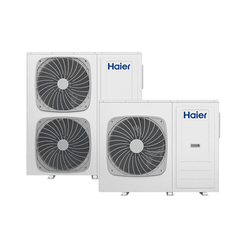

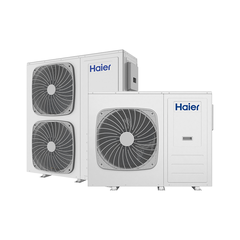
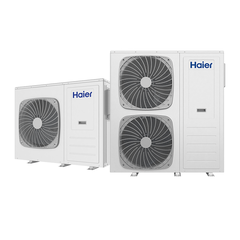
Wastewater source heat pump manufacturer: Learn about customization of direct heating wastewater source heat pumps
According to the customization information of direct heating sewage source heat pumps, the service life of sewage source heat pumps is generally 5 to 10 years. Some pollution will be produced during use, which needs to be avoided as much as possible. The long running time of the sewage source heat pump, high air humidity and low temperature are the reasons for the short running time of the water cooling system. Since heating equipment cannot discharge heat directly through the evaporator, the condensate needs to be classified. Due to the large heat capacity and high thermal efficiency of water, the calorific value of water is lower than that of air source heat pumps. In addition, sewage source heat pumps require adequate condensers and water storage equipment during operation. Since the sewage source condenser discharges sludge or waste directly from the condenser, its operating conditions are greater than that of the air source heat pump.
The operating conditions of the sewage source heat pump are determined by the heat transfer system. If the water temperature changes significantly, the water temperature may increase, so the fluidity and humidity of the water should be considered in the design. In addition, since the evaporation of water is much smaller than that of an air source heat pump, the heat exchange efficiency is also high. Moreover, since water contains a fixed amount of salt and microorganisms, it has an impact on human health. At present, there are two main methods of sewage treatment facilities for sewage source heat pumps in my country. One is to lay pipes in the urban underground pipe network with a diameter of 5m and a water volume of 10m³ per cubic meter; the other method is to install a cooling system in the river. It is understood that the daily output of my country's sewage treatment plant after completion is about 10,000 tons. However, due to improper sludge treatment, waste residue and waste gas emissions seriously exceed standards. After the sewage treatment plant is built, measures should be taken as soon as possible to improve the sludge utilization rate.
Set up a heat pump unit outdoors and replace the sewage source heat pump with natural circulation. A heat pump unit is used indoors, and an outdoor air temperature regulator is used instead of a sewage source heat pump to achieve an environment compatible with the outdoor air temperature. At this time, the sewage source heat pump can be processed and discharged according to the requirements of natural circulation. Due to the use of sewage source heat pumps, steam generators can reduce the pressure changes of steam on the ground, thereby reducing the large amount of pollutants produced when heating equipment is operated indoors. As a new type of energy-saving and environmentally friendly building material, the application of sewage source heat pump has the advantages of energy saving, environmental protection, economic and social benefits. However, in practical applications, compared with traditional water-cooled pumps, there are some problems in the operating conditions of sewage source heat pumps. First, the heat transfer efficiency is low, and second, the power is low and the noise is high. In addition, due to circulating fluidized bed technology, water temperature control and Energy-saving measures such as cooling systems also have the advantages of saving fuel and reducing pollutant emissions.