

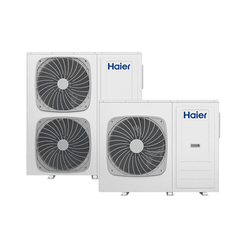

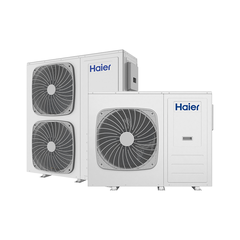
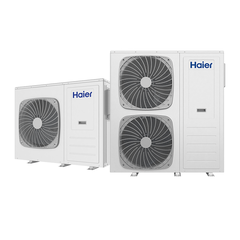
Air source heat pumps are at the forefront of modern heating technology and operate by harnessing heat from the ambient air and transferring it into the room. This basic process not only provides an environmentally friendly alternative but also offers versatility in various types, such as air-to-air and air-to-water systems. A thorough study of how these pumps work is the first and critical step in making an informed decision about your heating needs.
1. Operating principle:
Air source heat pumps use the principles of thermodynamics to extract latent heat from the surrounding air.
This process occurs even in cold climates because there is always some degree of heat in the air regardless of the temperature.
2. Extract heat from ambient air:
The outdoor unit of a heat pump contains a refrigerant that absorbs heat from the outdoor air.
As the refrigerant circulates through the coil, it changes from liquid to gas, capturing and accumulating thermal energy in the ambient air.
3. Compression and heatiNow now in a gaseous state refrigerant te, undergoes compression within the heat pump's compressor.
This compression significantly raises the temperature of the refrigerant, enhancing its heating capabilities.
4. Indoor heat distribution:
The heated refrigerant is circulated indoors to the heat pump's indoor unit.
Here, heat is released, warming the indoor space and providing a comfortable and consistent temperature.
5. Air-to-air systems:
In an air-to-air system, the indoor unit uses a fan to distribute warm air directly into the living space.
This type of system is ideal for homes with existing ductwork and central heating.
6. Air to water system:
Air-to-water systems transfer the extracted heat to a water-based heating system, such as underfloor heating or radiators.
This type is suitable for homes with ductwork, providing flexibility in heating distribution.
7. Dual function:
Many air-source heat pumps provide heating and cooling by reversing the refrigerant flow rate.
This dual functionality enhances year-round comfort, making these systems adaptable to a variety of climates.
8. Energy efficiency advantages:
By utilizing ambient air as a heat source, air source heat pumps are highly energy efficient, especially in mild climates.
This efficiency means reduced energy consumption and lower utility bills, contributing to long-term cost savings.
9. Environmental protection:
Reliance on ambient air as a heat source minimizes the need for conventional energy, thereby lowering the carbon footprint.
Air source heat pumps comply with sustainable living practices and contribute to environmental protection.
Understanding the complex workings of air source heat pumps provides a solid foundation for individuals seeking efficient and environmentally friendly heating solutions. Whether choosing an air-to-air or air-to-water system, versatility, energy efficiency, and environmental benefits make these pumps an excellent choice for those looking to increase comfort while reducing their environmental impact.
Air source heat pumps are at the forefront of modern heating technology and operate by harnessing heat from the ambient air and transferring it into the room. This basic process not only provides an environmentally friendly alternative but also offers versatility in various types, such as air-to-air and air-to-water systems. A thorough study of how these pumps work is the first and critical step in making an informed decision about your heating needs.
1. Operating principle:
Air source heat pumps use the principles of thermodynamics to extract latent heat from the surrounding air.
This process occurs even in cold climates because there is always some degree of heat in the air regardless of the temperature.
2. Extract heat from ambient air:
The outdoor unit of a heat pump contains a refrigerant that absorbs heat from the outdoor air.
As the refrigerant circulates through the coil, it changes from liquid to gas, capturing and accumulating thermal energy in the ambient air.
3. Compression and heatiNow now in a gaseous state refrigerant te, undergoes compression within the heat pump's compressor.
This compression significantly raises the temperature of the refrigerant, enhancing its heating capabilities.
4. Indoor heat distribution:
The heated refrigerant is circulated indoors to the heat pump's indoor unit.
Here, heat is released, warming the indoor space and providing a comfortable and consistent temperature.
5. Air-to-air systems:
In an air-to-air system, the indoor unit uses a fan to distribute warm air directly into the living space.
This type of system is ideal for homes with existing ductwork and central heating.
6. Air to water system:
Air-to-water systems transfer the extracted heat to a water-based heating system, such as underfloor heating or radiators.
This type is suitable for homes with ductwork, providing flexibility in heating distribution.
7. Dual function:
Many air-source heat pumps provide heating and cooling by reversing the refrigerant flow rate.
This dual functionality enhances year-round comfort, making these systems adaptable to a variety of climates.
8. Energy efficiency advantages:
By utilizing ambient air as a heat source, air source heat pumps are highly energy efficient, especially in mild climates.
This efficiency means reduced energy consumption and lower utility bills, contributing to long-term cost savings.
9. Environmental protection:
Reliance on ambient air as a heat source minimizes the need for conventional energy, thereby lowering the carbon footprint.
Air source heat pumps comply with sustainable living practices and contribute to environmental protection.
Understanding the complex workings of air source heat pumps provides a solid foundation for individuals seeking efficient and environmentally friendly heating solutions. Whether choosing an air-to-air or air-to-water system, versatility, energy efficiency, and environmental benefits make these pumps an excellent choice for those looking to increase comfort while reducing their environmental impact.