

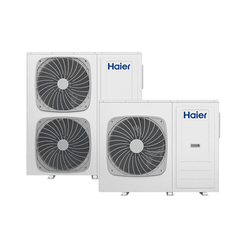

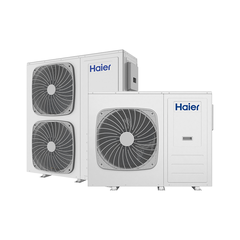
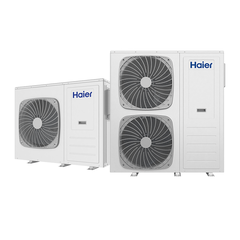
Before selecting an air source heat pump, you must weigh several key factors that will significantly affect its performance and efficiency in your specific environment. This section explores key considerations for climate, energy efficiency rating, and appropriate sizing to guide you in making informed decisions that seamlessly match your heating needs.
1. Climatic factors:
Temperature extremes: Evaluate the temperature extremes in your area, considering winter minimums and summer maximums. Different air source heat pumps are designed to perform best within specific temperature ranges.
Humidity levels: Consider the humidity levels in your climate, as air source heat pumps operate differently in different humidity conditions. Knowing this ensures your system runs efficiently year-round.
2. Energy efficiency level:
SEER and HSPF Ratings: Become familiar with the Seasonal Energy Efficiency Ratio (SEER) and Heating Seasonal Performance Factor (HSPF) ratings. Higher ratings indicate superior energy efficiency, helping to reduce energy consumption and save costs over time.
Local regulations: Be aware of any local regulations or incentives related to energy-efficient equipment. This knowledge can influence your decisions and potentially lead to financial benefits.
3. Suitable power:
Area: Determine exactly the area of the space you want to heat or cool. The right wattage ensures that an air source heat pump can effectively meet the needs of your specific living or working environment.
Insulation Level: Consider the level of insulation in your home. A well-insulated space may require a smaller capacity heat pump, while a larger or poorly insulated area may require a more powerful unit.
4. Integrate with existing systems:
Ductwork: If your home already has ductwork, an air-to-air system may be suitable. Ensure compatibility with your current heating or cooling infrastructure for a seamless integration process.
Air-to-water options: For homes without ductwork, an air-to-water system that transfers heat to a water heating system (radiator or underfloor heating) can provide installation flexibility.
5. Maintenance requirements:
Regular maintenance: Understand the maintenance requirements of your chosen air source heat pump. Regular maintenance is essential for extended system life and optimal performance. Check to see if there are professionals in your area to perform routine maintenance.
6. Noise level:
Quiet operation: Consider noise levels, especially if the heat pump is installed near a living space. Many modern air source heat pumps are designed to operate quietly, ensuring minimal disruption to your daily life.
7. Long-term cost considerations:
Initial investment vs. long-term savings: Balance the initial investment of an air source heat pump with its long-term energy efficiency and potential savings on your electricity bill. Evaluate return on investment over the expected life of the system.
8. Environmental impact:
Carbon Footprint: Assess the environmental impact of your chosen heat pump. Air source heat pumps generally have a lower carbon footprint than traditional heating methods, helping to create a more sustainable living environment.
In summary, climate, energy efficiency rating, appropriate sizing, integration with existing systems, maintenance requirements, noise levels, and long-term cost implications must be fully considered before selecting an air source heat pump. This meticulous evaluation ensures that your chosen system will seamlessly meet your unique requirements, providing efficient and sustainable heating or cooling for years to come.