

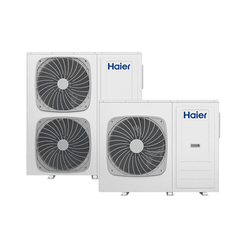

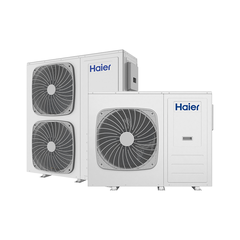

The European heat pump industry has shown significant growth in recent years due to climate change and energy crises, becoming a core technology in the heating sector. Here are some tidbits about the European heat pump industry:
Market Size and Growth: The European heat pump market was valued at 17.1 billion USD in 2023, with an expected growth of 18% between 2024 and 2032. The global heat pump market size is expected to reach 165.2 billion USD by 2032.
Technology and Application: Heat pumps are based on the principles of the Carnot cycle and inverse Carnot cycle, transferring heat with a small amount of electrical energy, effectively utilizing low-grade thermal energy for energy-saving purposes. Heat pump systems can provide heating, cooling, and domestic hot water, replacing traditional boilers and air conditioners.
Types: Heat pumps available on the market mainly include air source heat pumps, water source heat pumps, and ground source heat pumps. Air source heat pumps use the heat from the air and are characterized by easy installation and simple maintenance.
Policy Support: European governments have introduced a series of policies to promote the widespread application of heat pumps in order to achieve climate neutrality goals. For example, Germany has provided financial support and improved building energy efficiency standards through policies such as the "Market Incentive Program."
New Opportunities Amid Energy Crisis: The conflict between Russia and Ukraine and the associated energy crisis have accelerated the development of the European heat pump market. In 2022, European heat pump sales achieved rapid growth, with air source heat pumps accounting for the largest share of sales, and demand leading in France, Italy, and Germany.
Market Potential: According to an IEA report, heat pumps are a core technology for the transition to safe and sustainable heating, with currently available heat pumps being three to five times more energy-efficient than gas boilers. By 2030, heat pump sales are expected to increase significantly, especially in Europe, where the deployment rate of heat pumps will double.
Environmental Benefits: Heat pumps do not produce toxic gases during operation, do not require combustion, and greatly reduce greenhouse gas emissions, contributing to a green and environmentally friendly environment.
Industry Chain Opportunities: The rapid development of the heat pump industry has brought opportunities for whole machine manufacturers, brand merchants, and parts manufacturers. As a major heat pump production country, China is expected to benefit from the global demand growth.
Technological Development: Heat pump technology continues to advance, such as the application of low-temperature jet enhancement technology and new refrigerants, allowing heat pumps to operate effectively at lower ambient temperatures, expanding their application in cold regions.
Market Prospects: It is expected that by 2030, the global heat pump market will reach a scale of about 2 trillion yuan, with the heat pump sales compound annual growth rate in Europe and China reaching 26% and 15%, respectively.