

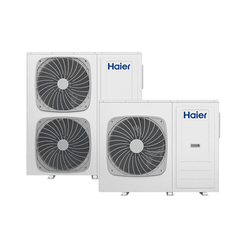

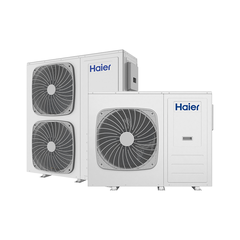
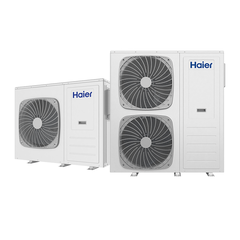
Air source heat pumps (ASHPs) are becoming a key part of Europe's efforts to reduce carbon emissions and promote energy efficiency. These systems transfer heat from outside air to provide heating and cooling, offering significant energy savings compared to conventional systems. They are particularly important as Europe strives to meet its climate goals and transition to renewable energy.
Key Benefits of ASHPs
Energy Efficiency: ASHPs can deliver more heat energy than the electricity they consume, reducing energy bills.
Carbon Reduction: They help lower CO2 emissions by utilizing renewable energy.
Versatility: Can be used for both heating and cooling.
Integration with Renewables: ASHPs work well with systems like solar panels, enhancing overall sustainability.
Market Growth and Drivers
The ASHP market in Europe is rapidly growing due to:
Government Incentives: Many European countries offer subsidies to promote adoption.
Energy Efficiency Regulations: EU directives require buildings to become more energy efficient.
Fossil Fuel Phase-Out: European nations are moving away from oil and gas heating systems.
Technological Advancements: Improved ASHPs perform better in colder climates, increasing adoption in northern Europe.
While ASHPs offer long-term savings, high upfront costs and public awareness remain challenges. Performance in extremely cold climates is another concern, though advancements are addressing this.
With strong government support and growing consumer interest, the ASHP market in Europe is set for significant growth. As technology improves, air source heat pumps will play a critical role in Europe's journey to climate neutrality.