

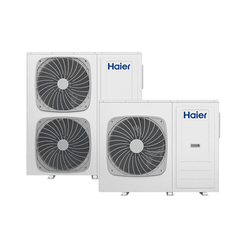

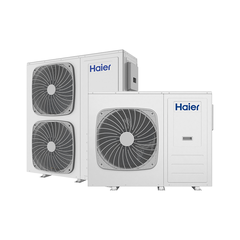
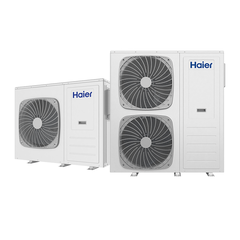
In Europe, heat pump technology is receiving unprecedented attention, primarily due to its significant advantages in improving energy efficiency and reducing carbon emissions. In 2024, the European heat pump market continues to show strong growth momentum, which is closely related to the policies of European governments to promote energy transformation and reduce dependence on fossil fuels.
Firstly, as an efficient and energy-saving heating technology, heat pumps work on the principle of the reverse Carnot cycle, using a small amount of electrical energy to transfer heat from a low-temperature source (such as air, water, or geothermal) to a high-temperature object for heating water or space heating. Compared to traditional heating methods, the thermal efficiency of heat pumps can usually reach 300%-400% or more, meaning that consuming 1 unit of electricity can produce 3 to 4 times the heat, significantly reducing energy consumption and operating costs.
The energy crisis in Europe, especially the surge in natural gas prices following the Russia-Ukraine conflict, has accelerated the promotion of heat pump technology. The EU's REPowerEU plan has set a goal to double the deployment rate of heat pumps by 2030, with an expected cumulative installation of 10 million heat pumps in the coming years. This policy drive, coupled with the maturation of heat pump technology and the reduction of costs, has led to a historical high in both sales volume and growth rate of heat pumps in the European market.
Moreover, the application fields of heat pump technology are continuously expanding. In addition to being widely used in building heating and hot water supply, heat pumps also show great potential in various fields such as new energy vehicle thermal management systems, industrial waste heat recovery, and agricultural drying. For instance, heat pump technology can significantly enhance the winter driving range of new energy vehicles, and in the industrial sector, heat pumps can recover and utilize industrial waste heat, reducing energy waste.
In terms of policy support, many European governments offer incentives such as subsidies, tax reductions, and low-interest loans to promote the application of heat pump technology. The implementation of these policies not only helps to reduce the initial investment costs for consumers but also further stimulates the growth of the heat pump market.
In summary, the European heat pump market continues to develop rapidly in 2024, thanks to its significant advantages in improving energy efficiency and reducing carbon emissions, as well as the active policy support from European governments for energy transformation. With the continuous advancement of technology and further reduction of costs, it is expected that the application of heat pump technology will become more widespread in Europe and around the world.