

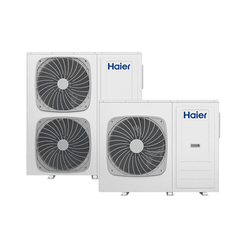

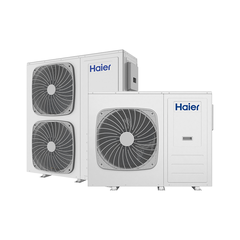
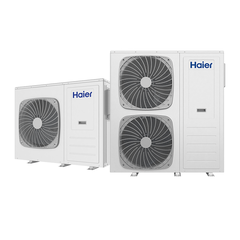
In the wake of the global energy crisis and heightened environmental awareness, the demand for air source heat pumps in the European market has reached a tipping point. With their high efficiency and eco-friendly characteristics, air source heat pumps have emerged as the preferred alternative to traditional heating systems. The ongoing conflict between Russia and Ukraine has led to a surge in European energy prices, highlighting the energy-saving and emission-reducing advantages of air source heat pumps.
In response to the energy crisis and to promote a transformation in energy structures, governments across Europe have introduced a range of subsidy policies to reduce the installation costs of air source heat pumps and encourage consumers and businesses to adopt this clean energy technology. For instance, the German government anticipates that heat pump sales will exceed 500,000 units by 2024, thanks to government incentives such as purchase subsidies. Moreover, the European Heat Pump Association (EHPA) forecasts that by 2026, heat pump sales in Europe will double, reaching four million units, a target closely linked to the proactive policies of various national governments.
The implementation of subsidy policies has significantly reduced the initial installation costs of air source heat pumps, enhancing their economic viability. According to estimates, considering policy subsidies, the comprehensive cost of using air source heat pumps is much lower than that of traditional heating equipment such as gas boilers. This helps consumers save on energy bills and reduces the country's dependence on imported fossil fuels.
The EU's "REPowerEU" plan further clarifies the deployment targets for heat pumps, aiming to double the deployment rate by 2030, with an accumulative installation of 10 million units over the next five years. The execution of this plan is expected to greatly promote the popularization and application of air source heat pumps in Europe.
China, as one of the world's main producers of air source heat pumps, accounts for 48.7% of the total sales volume exported to Europe. With the continued high market prospects in Europe, domestic export enterprises are expected to continue benefiting, further driving the rapid development of the air source heat pump industry.
Overall, subsidy policies in the European market have not only accelerated the popularization of air source heat pumps but also made a positive contribution to global energy transition and environmental protection. With continuous technological advancements and ongoing policy support, air source heat pumps are expected to play an increasingly important role in the heating market of the future.