

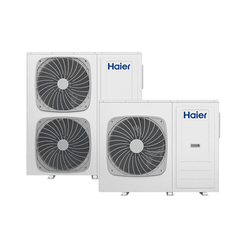

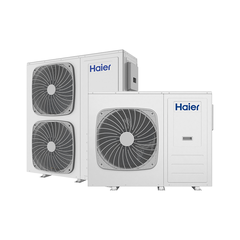
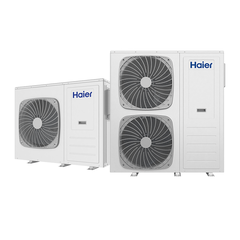
An air source heat pump (ASHP) is a device that utilizes the heat energy from the air to heat and cool spaces. It offers advantages such as energy efficiency, environmental friendliness, and convenience. In recent years, due to increasing energy crises and environmental pollution, air source heat pumps have gradually emerged as a green technology to replace traditional energy sources such as gas and electric heating. Below is an overview of key industry knowledge related to air source heat pumps:
Basic Principle of Air Source Heat Pumps
Air source heat pumps work by extracting heat from the air and transferring it into a building or for water heating. The working principle is similar to that of a refrigerator but differs from traditional heating methods. Air source heat pumps use a cycle of compression, expansion, and heat exchange through components like compressors and expansion valves to transfer heat. The core of the heat pump is the compressor, which compresses low-temperature, low-pressure gas to release heat, efficiently utilizing the heat in the surrounding air.
Applications of Air Source Heat Pumps
Air source heat pumps have a wide range of applications, mainly including:
Residential Heating: Particularly useful in colder regions, air source heat pumps are increasingly replacing traditional boilers for space heating.
Hot Water Supply: Commonly used in hotels, hospitals, and schools to provide constant hot water.
Air Conditioning Systems: Air source heat pumps can provide both cooling and heating, ensuring a comfortable indoor climate year-round.
Industrial Cooling and Heating: In some factories and production lines, maintaining a stable temperature environment is essential. Air source heat pumps offer an efficient energy solution.
Advantages of Air Source Heat Pumps
Energy Efficiency and Environmental Protection: Air source heat pumps extract heat from the air, reducing reliance on fossil fuels. Compared to traditional heating methods, their energy efficiency can be three times higher, significantly reducing energy consumption.
Low Carbon Emissions: Due to their high efficiency, air source heat pumps emit far fewer carbon emissions than traditional heating devices, contributing to sustainable development goals.
Ease of Operation: Once installed, the system runs automatically, requiring minimal maintenance and offering a long service life.
Adaptability: Air source heat pumps are suitable for a wide range of climates, particularly temperate and subtropical regions, and can operate efficiently even in low temperatures.
Market Development Trends
With growing global attention on energy conservation and low-carbon economies, the air source heat pump industry is experiencing rapid growth. In the coming years, as technology advances and costs decrease, air source heat pumps are expected to penetrate more homes and businesses. The adoption rate is steadily increasing in regions like Europe and North America.
In China, the government has also been actively supporting the development of the air source heat pump industry, with a series of policies encouraging the use of green buildings, energy-efficient technologies, and low-carbon solutions. Major companies are entering the air source heat pump market, driving technological innovation and product diversification.
Technological Challenges and Development Directions
Despite the ongoing technological progress, there are still challenges facing air source heat pumps:
Efficiency in Low-Temperature Environments: In extremely cold conditions, the efficiency of air source heat pumps may decline. Improving efficiency in low-temperature environments remains a technical challenge.
High Initial Cost: While air source heat pumps save energy in the long run, the initial installation cost is relatively high. Reducing these costs is a key concern for manufacturers.
System Integration and Smart Technology: In the future, air source heat pump systems will become more intelligent, seamlessly integrating with energy management systems in buildings to improve overall energy efficiency.
To overcome these challenges, research and development in the industry focus on improving the efficiency of heat pumps, expanding their low-temperature operating range, optimizing materials and compressors, and enhancing intelligent control systems.
Air source heat pumps play a vital role in modern buildings and industrial systems as a green and energy-efficient technology. With continuous technological advancement and policy support, the market prospects for air source heat pumps are broad. In the future, with technological improvements and cost reductions, air source heat pumps are expected to become a key driver of the global energy transition.